Song Meaning
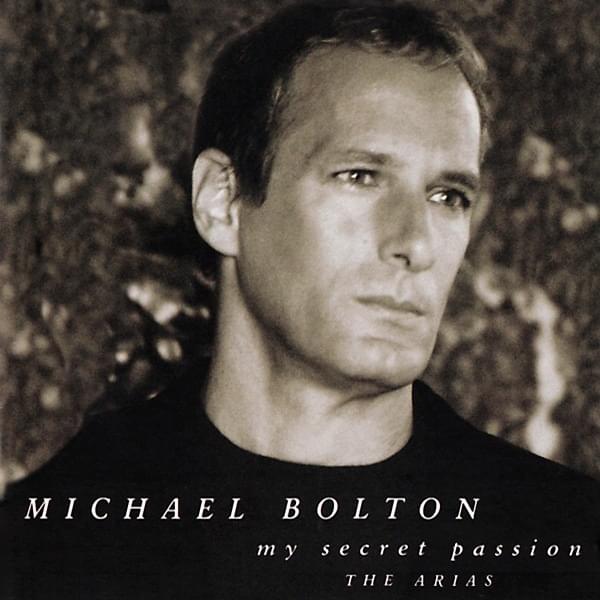
{"song_id": 12723297, "meaning": "Michael Bolton tackling \"E lucevan le stelle\" is a fascinating, if unexpected, turn. Stripped of its operatic context from Puccini's *Tosca*, the song's core lament still resonates, albeit with a different kind of intensity when filtered through Bolton's signature vocal style. The lyrics paint a vivid picture of fleeting ecstasy: a starlit night, fragrant earth, a secret rendezvous. The anticipation builds with each line – the creaking gate, the soft footsteps, the scent of her arrival. The listener is plunged into a moment of pure, sensual bliss as the narrator embraces his lover, overwhelmed by \"sweet kisses\" and the unveiling of \"beautiful forms.\"
The emotional gut-punch arrives swiftly. This idyllic memory is not a present reality, but a phantom limb, a “dream of love” that has “vanished forever.” The aria shifts from breathless passion to utter despair. The line “L’ora è fuggita / E muoio disperato!” (“The hour has fled, and I die in despair!”) encapsulates the crushing weight of loss. It's a primal scream against the injustice of time and fate.
The final line, “E non ho amato mai tanto la vita!” (“And I have never loved life so much!”), is the cruelest irony of all. It is precisely because of this intense, now-lost love that death feels so unbearable. The memory of such profound joy amplifies the present pain. Bolton's interpretation, regardless of its fidelity to the original operatic intent, taps into a universal truth about love, loss, and the agonizing beauty of a life fully lived, even if only for a fleeting moment."}
 View Artist