Song Meaning
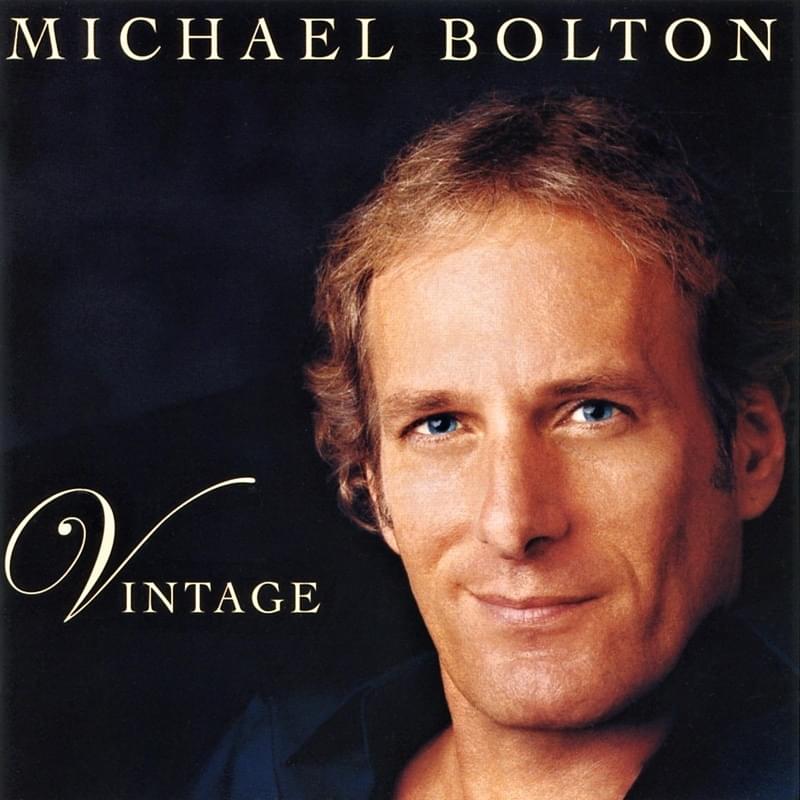
Michael Bolton didn't originate "At Last," but his interpretation brings a particular yearning to the surface. It's a song drenched in the relief of finally finding connection, a sentiment that resonates deeply with anyone who's weathered the storm of solitude. The lyrics paint a picture of transformation: "My lonely days are over, and life is like a song." This isn't just about romantic love; it's about the profound shift in perspective that occurs when a fundamental need for belonging is met. The hyperbolic imagery of "heaven" underscores the almost religious experience of finding one's counterpart.
The song’s power lies in its simplicity and directness. There's no complex narrative, no intricate metaphors—just the raw emotion of arrival. The repetition of "At Last" emphasizes the duration of the longing that precedes this moment of fulfillment. It speaks to the universal human desire for completion, for finding that missing piece that makes life feel whole. The reference to a “dream that I could speak to” suggests a deep, almost subconscious yearning for a kindred spirit, someone who understands and validates one's inner world.
Bolton's rendition captures the almost childlike wonder of discovering love. The lines "You smile…and then the spell was cast" evoke a sense of enchantment, as if love were a magical force beyond rational explanation. This speaks to the often-irrational nature of attraction and the feeling of being swept away by something larger than oneself. "At Last," in Bolton's hands, becomes an anthem for the romantic idealist, a testament to the enduring power of hope and the belief that true connection is not only possible but inevitable.
 View Artist