Song Meaning
The lyrics paint a picture of a complex, perhaps paradoxical, paradise. The repeated phrases like "Olédji la yi dji po voua oumou lédi la kou" and "Até konou adomé lé véo gné kou wa amékê lé gou" establish a hypnotic, chant-like quality, suggesting a ritualistic or deeply ingrained belief system.
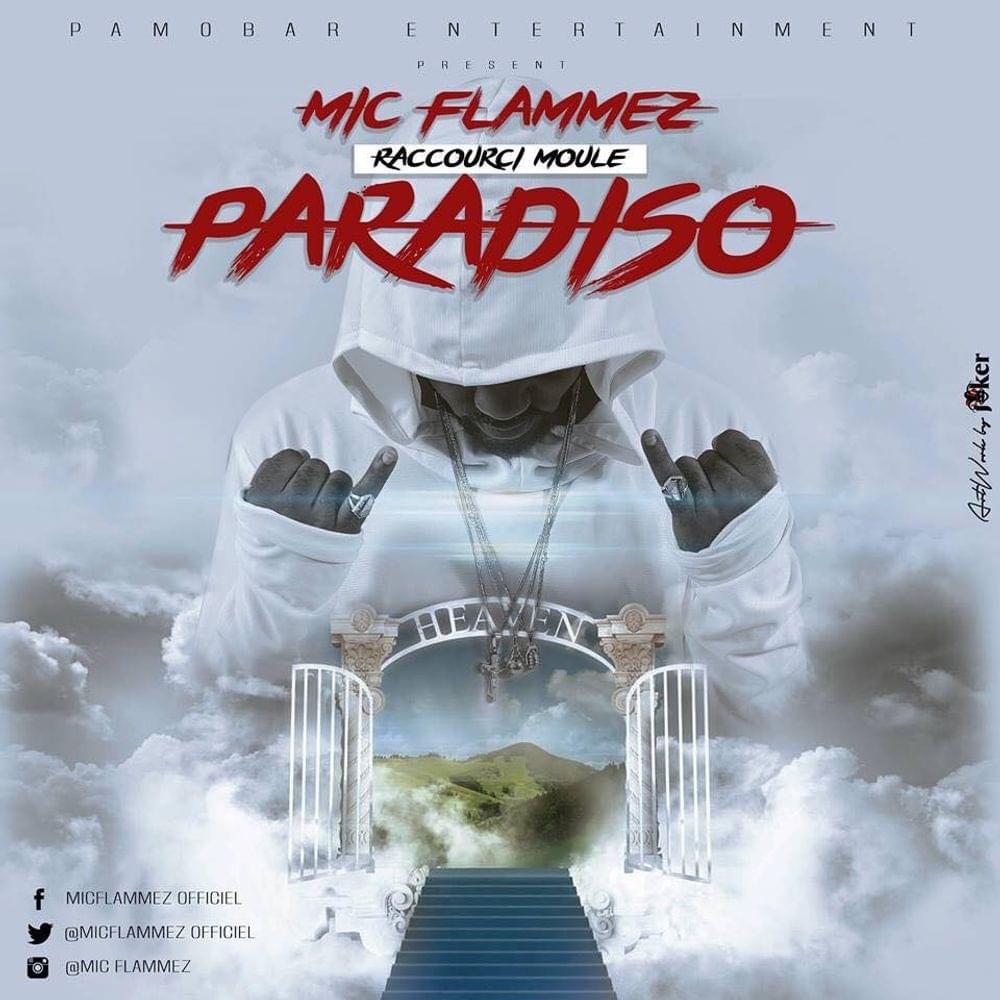
The central tension seems to arise from the juxtaposition of "Paradisso" with "raccourci moulé," which translates roughly to "molded shortcut" or "molded shortcut to paradise." This phrasing implies a manufactured or perhaps even deceptive path to an ideal state, hinting that this paradise might not be the genuine article.
The lyrics introduce a fascinating duality by mentioning "Mouniké anti-christ" and "Illuminaty djo lé djim" alongside "Souêssokéme YÉSSU christ." This direct confrontation of seemingly opposing forces within the context of paradise suggests a world where the sacred and the profane, the divine and the potentially sinister, coexist or are even intertwined. The line "Fifi moulé compté million améssiamé djolé yom apétô manou" further complicates this, hinting at material wealth or a focus on earthly riches within this spiritual framework.
This lyrical construction is effective because it creates a sense of unease and critical inquiry within what is presented as an idyllic setting. The repetition lulls the listener into a sense of familiarity, only to be confronted with unsettling juxtapositions, forcing a re-evaluation of what this "paradise" truly represents. It’s this deliberate ambiguity that makes the narrative resonate, prompting reflection on the nature of salvation, deception, and the allure of shortcuts.
 View Artist