Song Meaning
The lyrics paint a stark picture of impending doom, a desperate plea for salvation that feels increasingly futile. The repeated question, "Who've we got to save us?" acts as a relentless drumbeat, underscoring a profound sense of abandonment and helplessness. This isn't just about a bad day; it's about a fundamental collapse, a point of no return where everything familiar has vanished. The narrator and their group are left in a state of passive waiting, their fate hanging in the balance.
The central tension lies in the contrast between the external forces of destruction and the internal paralysis of the people. Nature itself seems to turn hostile, with "August turns to rain" and "the wind and the seas turn on us," escalating to a chilling "whistling becomes a howl." This environmental upheaval mirrors an internal crisis, where "memories will fall" and even "gods who've been undone." The people are described as "stretched out and flattened," their ties meticulously arranged, suggesting a futile attempt at order in the face of chaos, a desperate hope for external intervention.
The most striking aspect is the inversion of expectation regarding salvation. Instead of actively seeking a rescuer, the lyrics reveal a collective passivity: "Waiting for you / Waiting for a sign." This waiting extends even to the fallen gods, who are also depicted as waiting. It creates a cyclical, almost absurd, sense of inertia where everyone is waiting for someone else, amplifying the feeling that no one is coming. The plea "Please don't be long / We can't move on" drives home the urgency and the crushing weight of this stasis.
This song hits hard because it captures that gut-wrenching feeling when all external support systems seem to crumble simultaneously. The relentless questioning and the imagery of nature's wrath combine with the internal helplessness of the waiting figures to create an atmosphere of profound dread. It’s the terrifying realization that the cavalry isn't coming, and perhaps, there's no one left to send them.
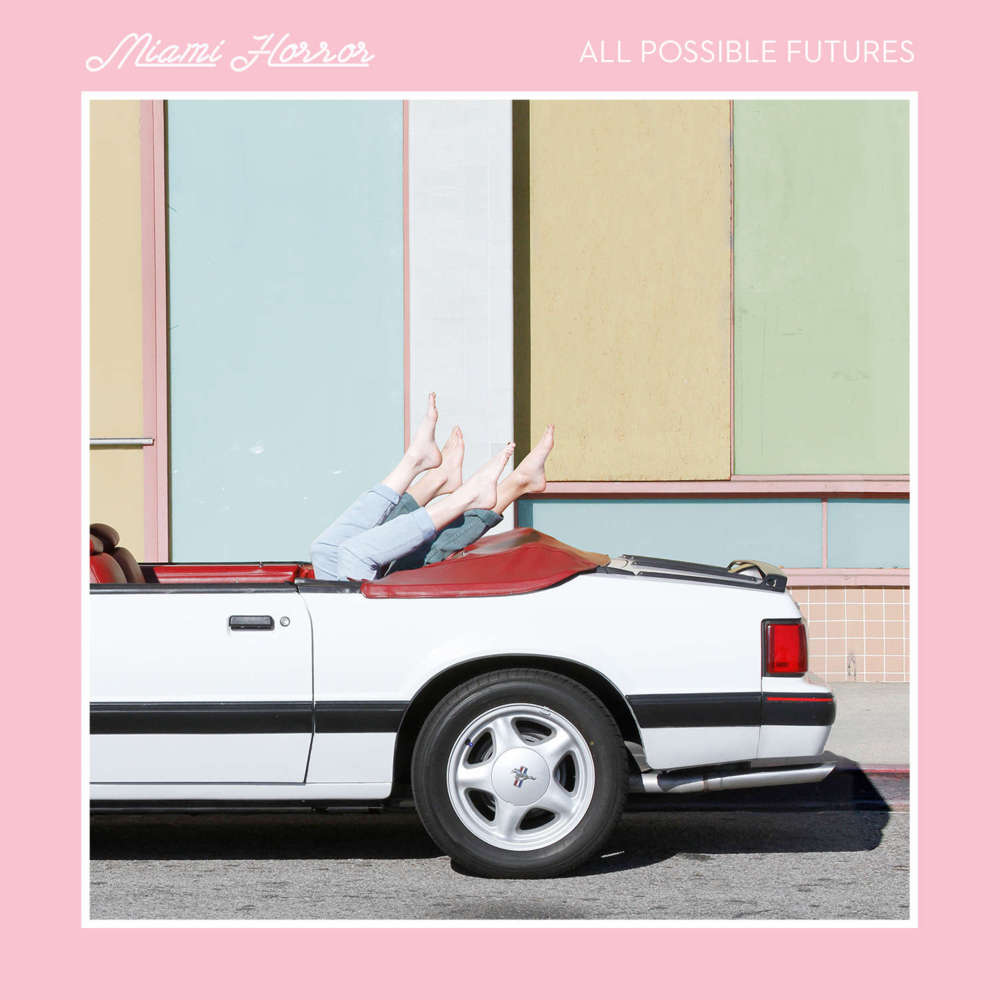
 View Artist