Song Meaning
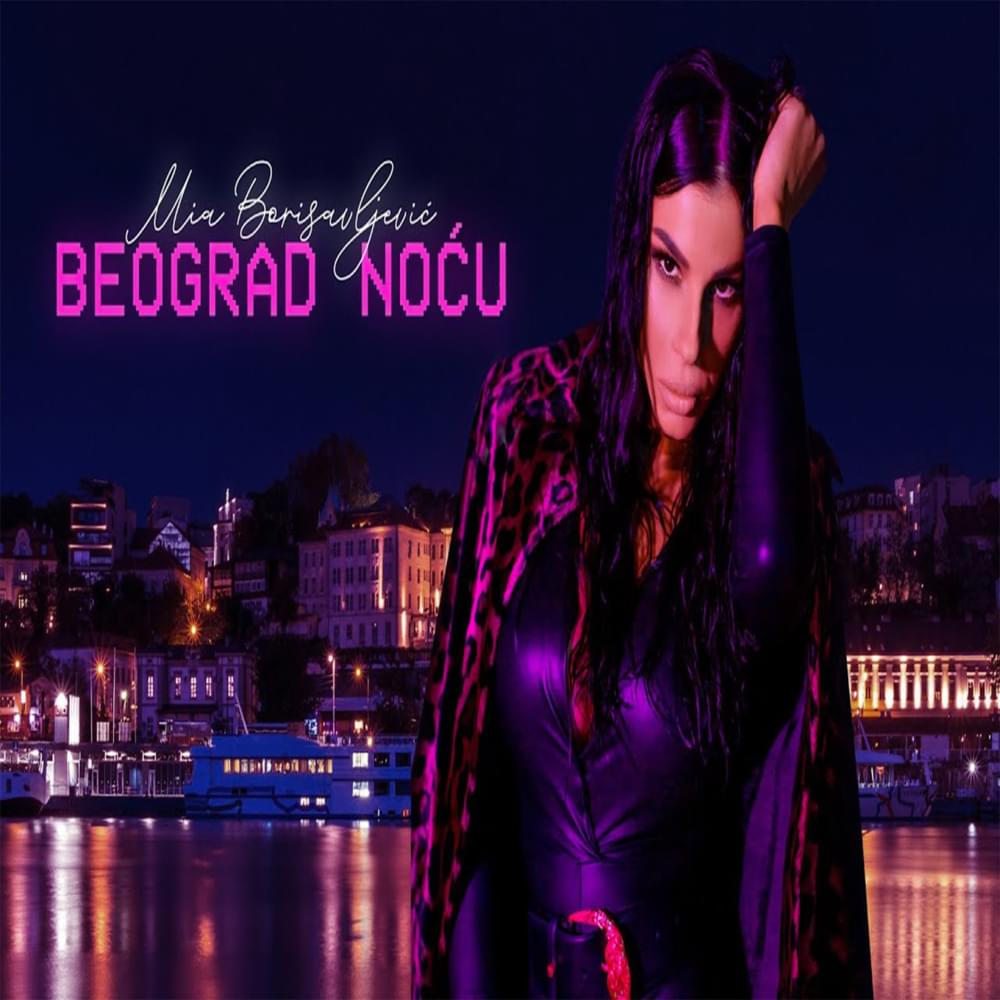
The lyrics paint a vivid picture of a solitary figure drowning their sorrows in the late-night scene of Belgrade. The narrator is lost in a haze of alcohol and regret, with the city's nightlife serving as both a backdrop and an accomplice to their pain. The opening lines immediately establish a tone of desperation, with empty glasses and the act of breaking them symbolizing a shattered state of being. It's a raw depiction of someone trying to outrun their grief through the oblivion of bars and music, but finding no escape.
The central tension lies in the narrator's inability to move past a lost love. Despite the passage of time and the attempts to forget through drinking, the past relentlessly pulls them back. The repeated phrase "Beograd noću, kafane do zore" (Belgrade at night, taverns until dawn) becomes a mantra of their suffering, a place where their sadness calls to them. The lyrics suggest a deep-seated pain that alcohol and the vibrant nightlife can only temporarily mask, not heal.
The most striking aspect of the writing is the direct equation of the narrator's identity with the presence of their beloved. The recurring line "Bez tebe više ja nisam ja" (Without you, I am no longer me) is a powerful declaration of how intertwined their sense of self was with this lost relationship. The songs sung in the taverns are not just background noise; they "hurt like wounds," amplifying the pain of absence. This visceral connection between external stimuli and internal suffering is what gives the lyrics their emotional weight.
Ultimately, the effectiveness of these lyrics stems from their unflinching portrayal of heartbreak. The narrator isn't seeking solace; they are actively engaging with their pain, using the city's nocturnal energy as a stage for their sorrow. The raw, almost aggressive actions like breaking glasses and the desperate plea "Javi se, ljubavi" (Call me, my love) make the listener feel the immediacy and depth of their longing. It's a stark reminder that sometimes, the most profound emotional experiences are found in the darkest hours, amplified by the very places meant for celebration.
 View Artist