Song Meaning
The narrator observes someone consumed by anxiety, a constant state of being "nervous." The external world feels hostile, a place where "they're out to get you," and even familiar spaces like "the wooden floors of my house" become unsettling. This paranoia is so pervasive that the person wishes they had simply "stayed at home in bed," a desire for safety that feels increasingly out of reach. The repeated phrase "Nervous, I know" underscores a sense of resigned familiarity with this condition.
The core tension lies in the narrator's helpless witnessing of this internal struggle. While the person running "in a way I couldn't see you" suggests a disconnect, the narrator clearly perceives the distress. There's a deep-seated wish to intervene, to "save you," but the lyrics imply an inability to penetrate the overwhelming fear. This helplessness is amplified by the observation that the person is "so glad / No one can see / Inside of your tireless mind," highlighting the isolating nature of their anxiety.
The most striking element is the juxtaposition of the mundane "wooden floors of my house" with the menacing "not safe buildings." This contrast suggests that the threat isn't external and objective, but rather a projection of the internal state onto the environment. The "walls are out of focus" further illustrates how perception itself is distorted by fear, turning ordinary surroundings into sources of dread. The narrator is left to watch this internal unraveling, unable to offer tangible protection.
These lyrics resonate because they capture the suffocating feeling of watching a loved one battle unseen demons. The writing doesn't offer solutions but instead focuses on the raw experience of anxiety and the observer's quiet despair. The fragmented, almost claustrophobic imagery effectively conveys the disorienting and isolating nature of being trapped in one's own mind, making the narrator's wish to "save you" feel both poignant and tragically futile.
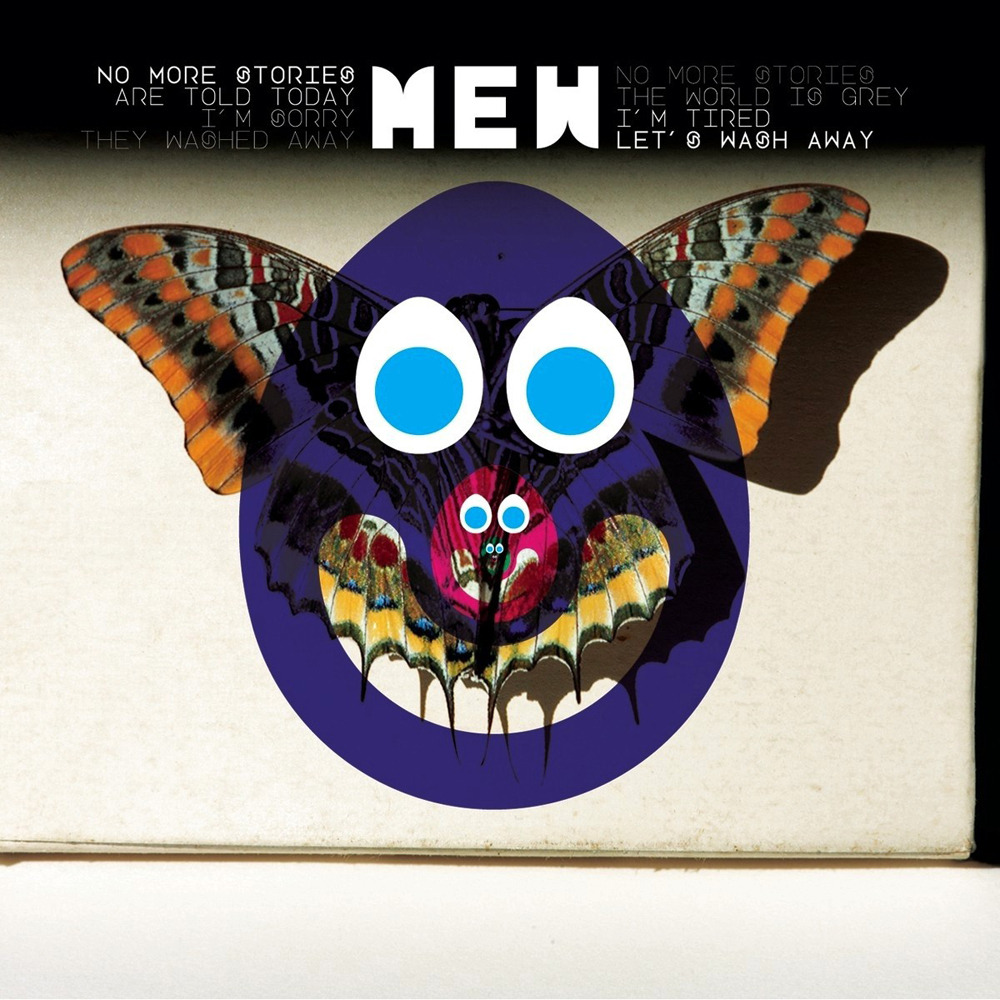
 View Artist