Song Meaning
The lyrics paint a picture of intense internal struggle and a desperate push for renewal. The repeated phrase "This time I'll burn with life again" establishes an urgent desire to break free from stagnation, suggesting a past where life felt muted or absent. This urgency is underscored by the stark image of "a foul node clots the artery," a visceral metaphor for something blocking vital flow and progress. The narrator seems determined to reject past mistakes, "spurn the right again," indicating a willingness to embrace unconventional or even self-destructive paths in pursuit of this rebirth.
The chorus introduces a haunting reflection on how memories form and decay. The idea that "What memory found / You would never second guess" implies that certain recollections are imprinted with an almost unquestionable authority, even if they are not "sound." These memories are "plastered, permanently set," yet the subsequent line, "Then rusted with doubt," reveals their fragility and eventual corruption. This creates a poignant tension between the initial, seemingly solid imprint of a memory and its later disintegration into something to be "forget."
The most striking craft element is the juxtaposition of the vibrant, almost aggressive language of the verse with the melancholic, decaying imagery of the chorus. The verse's insistent repetition of "This time won't wait" and the desire to "burn with life" clashes with the chorus's depiction of memories being "gathered in a muslin shroud" and ultimately "rusted with doubt." This contrast highlights the difficulty of achieving genuine renewal when the past, even when seemingly overcome, continues to corrode present resolve.
Ultimately, these lyrics resonate because they capture the universal, yet deeply personal, battle against inertia and the insidious nature of regret. The writing effectively uses sharp, almost clinical metaphors like the "foul node" alongside the more ethereal, yet equally unsettling, imagery of a "muslin shroud" to convey the complex, often painful, process of trying to move forward while being haunted by what has been. The cyclical nature of the verse and chorus, with the outro echoing both the determination and the decay, leaves the listener with a sense of unresolved tension, mirroring the ongoing struggle for a life truly lived.
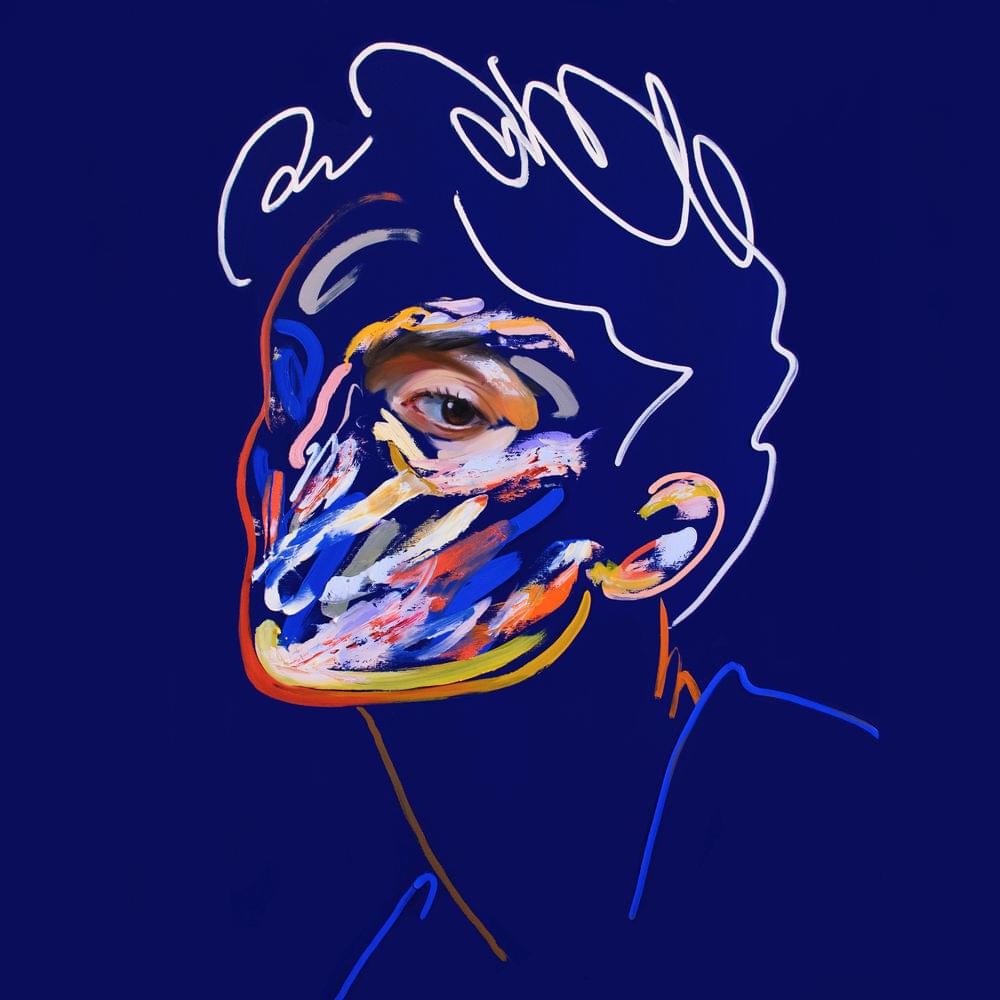
 View Artist