Song Meaning
Metallica’s “Orion (1985 from James’ Riff Tapes)” presents a unique challenge for lyrical analysis: it is explicitly an instrumental track. This immediately shifts the focus from deciphering words to understanding the deliberate absence of a vocal narrative. The piece, by definition, speaks through its sonic architecture alone. It demands a different kind of listening.
Without a narrator or explicit story, the central tension here lies in the listener’s active role. The absence of lyrics means no direct emotional cues are given through language. Instead, the music itself must carry all the weight of expression, inviting personal interpretation rather than guiding it. This creates a space where individual experience can fully color the perceived emotional landscape.
The most interesting craft element, then, is the very decision to forgo words. This choice transforms the instrumental arrangement into the sole storyteller. It suggests a confidence in the music’s ability to evoke complex feelings and narratives without verbal crutches. The riffs, rhythms, and melodies become the vocabulary, painting scenes and conveying moods that words might otherwise constrain.
Ultimately, these “lyrics”—or rather, their intentional absence—are effective precisely because they force a deeper engagement with the music. It’s a masterclass in allowing instrumentation to be the primary vehicle for meaning. The track becomes a canvas for the listener’s imagination, proving that sometimes, the most profound statements are made without a single spoken word.
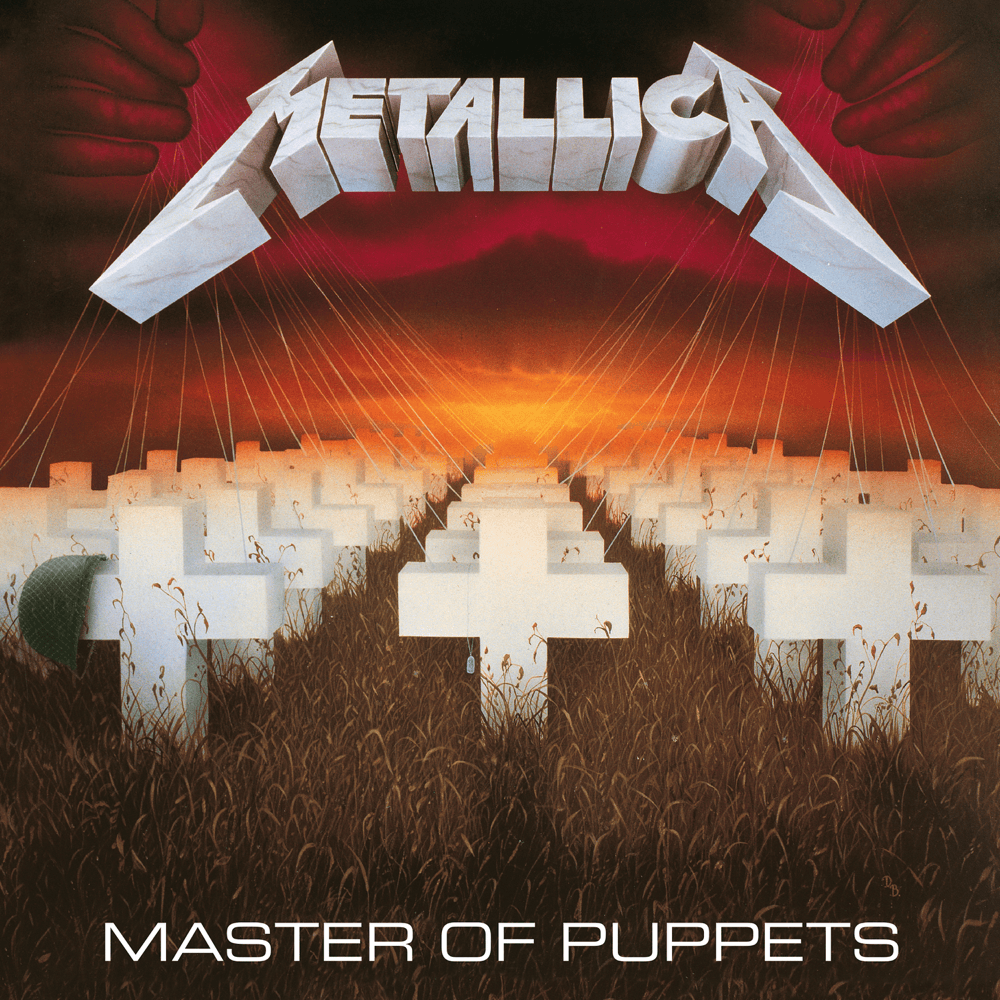
 View Artist