Song Meaning
The lyrics paint a stark picture of despair and resignation within a dark room. A figure weeps, their sorrow punctuated by the fading cry of a man. This isn't a scene of grand tragedy, but a quiet, intimate breakdown. The imagery of "black blood hardening" and a "swollen eyelid" suggests a past injury or struggle, yet the gaze encountered is surprisingly gentle, described as "nostalgic." This unexpected tenderness offers a moment of solace, implying that perhaps no true villains exist, only beings simply trying to exist.
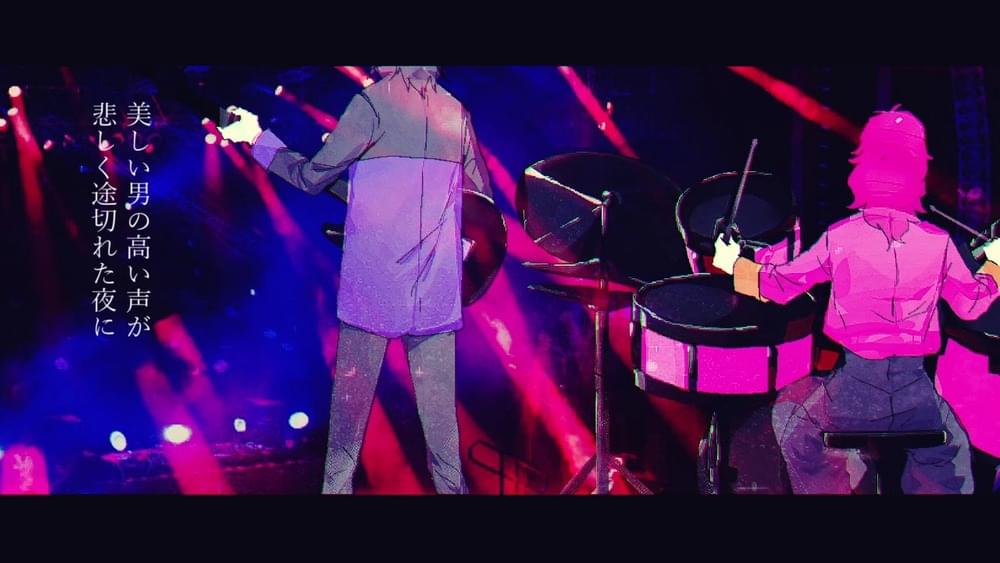
The core tension lies in the shared failure of two individuals, the "end result of humans who couldn't go as planned." They are trapped in a cycle of weeping and fading consciousness, underscored by the recurring image of the moon observing their plight. The contrast between the "shallow man's high voice" in the first chorus and the "beautiful man's high voice" in the second shifts the emotional weight, suggesting a potential idealization or a deeper, more tragic beauty in the present suffering. The presence of "angel-like, devil-like warmth" hints at a complex, perhaps morally ambiguous, source of comfort.
The lyrics masterfully employ repetition and subtle shifts to build their atmosphere. The phrase "That is the truth, and there are no villains anywhere" appears in both verses, acting as a mantra against external blame, shifting the focus inward. Verse 2 recontextualizes this by stating, "Just dreaming," contrasting with Verse 1's "Just breathing." This subtle change implies a descent from mere existence into a state of passive delusion or escape. The recurring image of the moon, a silent witness, amplifies the sense of isolation and the inescapable nature of their situation.
Ultimately, the effectiveness of these lyrics stems from their unflinching portrayal of vulnerability and the quiet collapse of hope. The narrative avoids melodrama, instead focusing on the raw, sensory details of pain and the faint, almost imperceptible glimmers of connection. The final image of the "struggling man's body drooping" under the moon's gaze leaves a lingering sense of melancholic finality, suggesting that even in shared suffering, there's a profound loneliness.