Song Meaning
The lyrics paint a vivid picture of a neighborhood gathering, kicking off with the infectious sound of cumbia and the rumble of drums. The initial vibe is pure celebration: "Todo el villerio está de fiesta," with calls to bring out wine and plenty of beer. It's a moment where the day is claimed as their own, a collective embrace of the present, "Que el día es nuestro y hoy se festeja."
However, this festive scene quickly encounters a dose of reality. The celebration hits a snag when the narrator notes a lack of funds, "Como no hay monedas / Ni una 'changuita'." This financial constraint, coupled with the downpour of rain, forces a shift from communal revelry to a more solitary experience at home. The party moves indoors, with the narrator requesting a cumbia, specifically a "Colombianita," to accompany the distinctive "ruido de las chapas."
The core of the song seems to revolve around what constitutes completeness in this setting. The arrival of "la negra" is presented as the missing element that makes everything perfect, alongside simple pleasures like "Cerveza, vinito, mortadela y queso." Yet, this idealized vision is immediately juxtaposed with a more raw, sensory experience: "Ruidito a chapas, cigarrillo y sexo..." This contrast suggests that true fulfillment isn't just about material comfort or even specific people, but also about embracing the gritty, sensual, and perhaps even illicit undertones of life.
What makes these lyrics resonate is their honest portrayal of aspiration meeting limitation. The initial exuberance of the fiesta is tempered by the everyday struggles of not having money and bad weather, yet the spirit of celebration persists. The repeated phrase "Si viene la negra estamos completos" acts as a mantra, highlighting how human connection and sensory experiences, even those tinged with a bit of grit like the "ruido a chapas," are what truly define a complete moment.
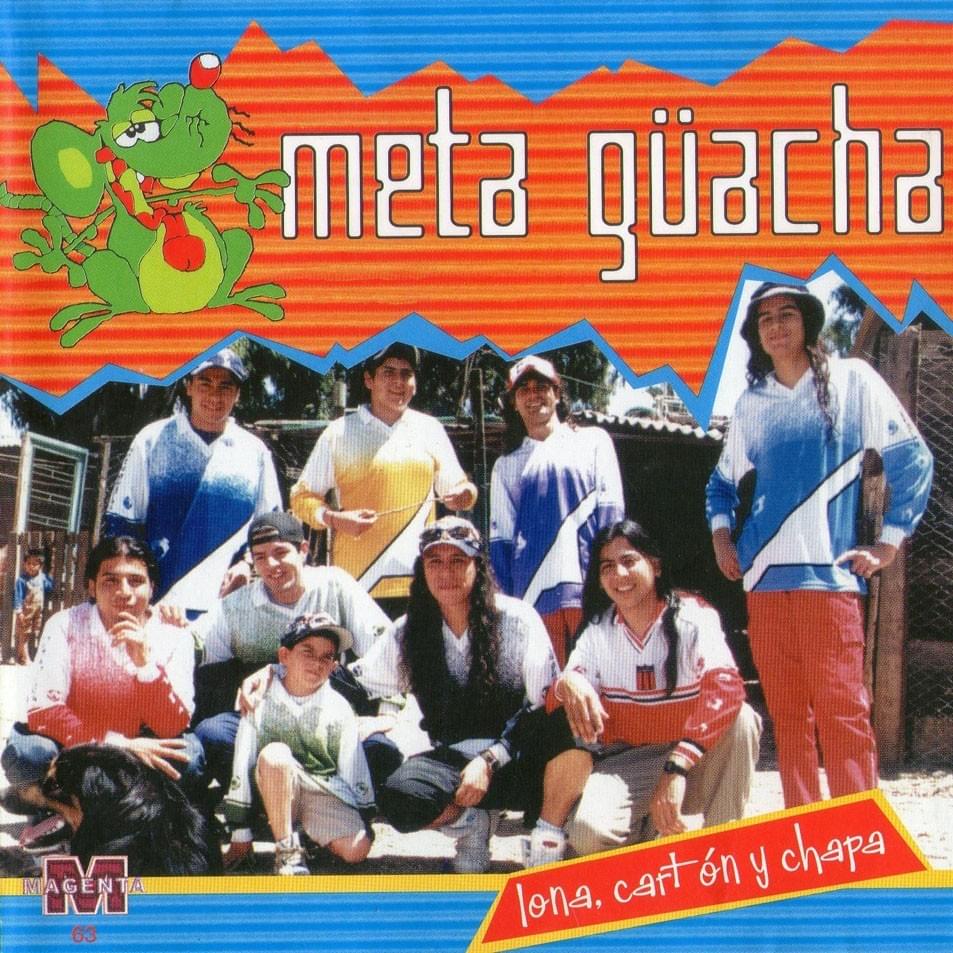
 View Artist