Song Meaning
The lyrics paint a stark picture of past mistakes manifesting as persistent, haunting figures. The narrator is confronted by "demons" and "ghosts of distant memory," which are described as "remnants that just will not die." This isn't just a vague sense of regret; it's a tangible, almost physical manifestation of "all my wrongs" and "indiscretions." The imagery of these phantoms carrying burdens and being "laid out before my eyes" suggests a direct, unavoidable confrontation with the consequences of past actions.
The central tension lies in the narrator's futile attempts to escape or suppress these past transgressions. They "lit" bridges, perhaps signifying efforts to move on or sever ties, but the "demons" learned to fly, indicating that escape was impossible. The phrase "how hard I have tried to bury this" underscores the ongoing struggle and the ultimate failure to achieve peace. The phantoms, with their "frozen gaze," offer no absolution, only "the blame" and "questions to my lies."
The most striking aspect of the craft is the personification of abstract regrets into concrete "phantoms" and "specters." These aren't just memories; they are active entities that "howl," "carry," and "stand before me." The repetition of "phantoms" at the end, after a build-up of these spectral images, solidifies their presence and the narrator's inescapable reality. The contrast between the narrator's attempts to "bury" the past and the phantoms' persistent ability to "fly" and "stand" is particularly effective.
This writing hits hard because it externalizes internal guilt into an almost supernatural confrontation. The lyrics don't just state regret; they make it a terrifying, visible force. The "frozen gaze" and the "blame" are powerful images that convey the cold, unyielding nature of facing one's worst moments. It’s the raw, unflinching depiction of being haunted, not by external forces, but by the inescapable echoes of one's own choices.
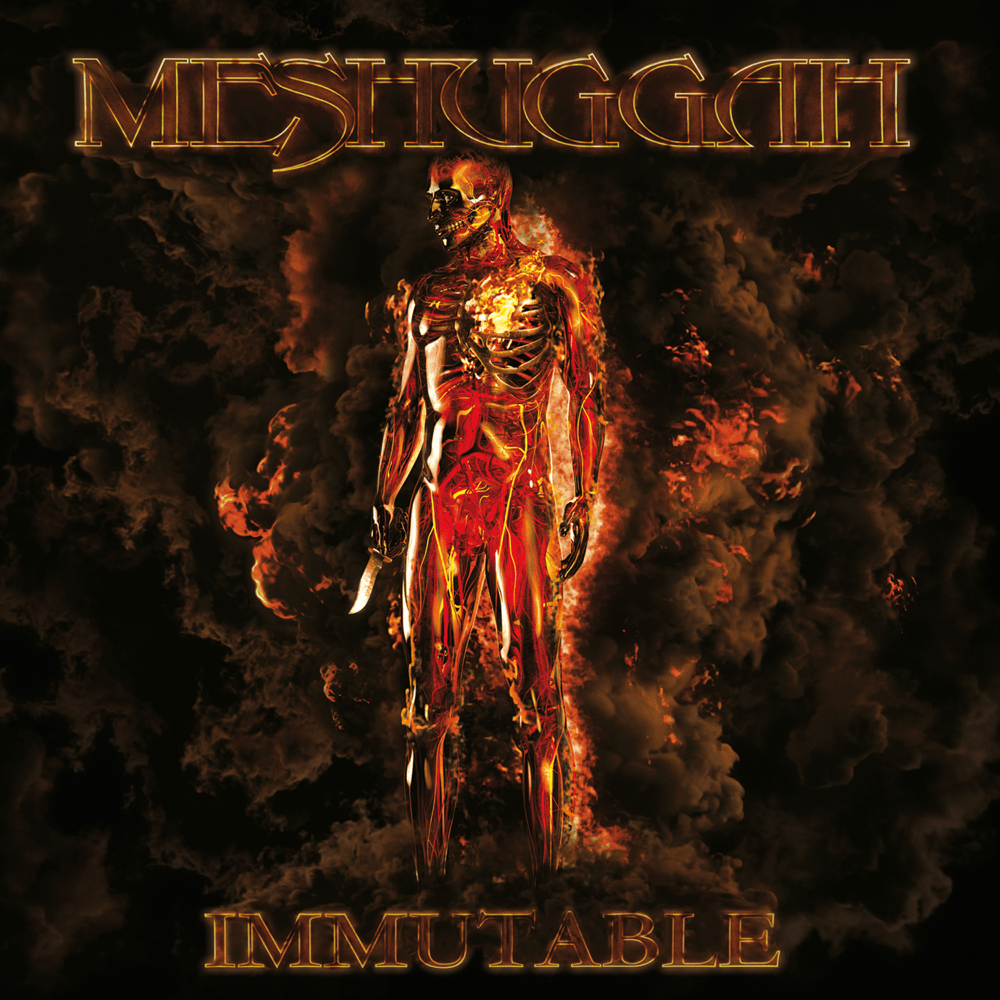
 View Artist