Song Meaning
Meshell Ndegéocello's "Weather" operates on multiple symbolic levels, layering romantic yearning with potent metaphors of emotional resilience. It’s a deceptively simple song, built around elemental imagery, but its core explores how we navigate disappointment and seize unexpected opportunities. The opening lines, posing questions about a windless kite and a rainy night, immediately establish this theme of thwarted expectations. But Ndegéocello doesn’t wallow. Instead, she pivots, suggesting a “bolt of lightning” as an alternative—an embrace of the unpredictable, even destructive, forces that life throws our way. This is not about passive acceptance, but active adaptation. The repeated question, "What are you gonna do?" is less an inquiry and more a dare. The song isn't just about coping; it's about finding agency in the face of circumstances beyond our control.
The middle verses introduce a romantic subplot, interwoven with the broader theme of adaptability. The image of a cloudless sky, where “every girl that’s walking by / Has all the world singing,” suggests a moment of idealized beauty and effortless connection. But this ideal is fleeting, juxtaposed with the need to “hide” and “blame it on the weather.” This highlights the tension between authentic expression and the need for discretion, perhaps within a relationship or within the larger social context. The plea to "fall into my arms" and the offer to be a "sweater" in winter are not just simple declarations of love; they represent a willingness to provide comfort and support through life's inevitable storms. The song meaning deepens with the understanding that relationships, like the weather, are subject to constant change.
Ultimately, “Weather” becomes an anthem for self-reliance and emotional intelligence. The lines “Lift up your burden / You’re better than that” are a direct call to action, a reminder of inherent strength. The subsequent, somewhat bizarre, offer to be a "toothbrush" or something "good for your head" serves as a quirky, Ndegéocello-esque reassurance. It acknowledges the messiness of life and relationships, suggesting that even in the most mundane or uncomfortable situations, there is value to be found. The refrain, “We can always blame it on the weather,” isn’t just an excuse; it’s a recognition that external forces often influence our choices and experiences, and sometimes, a little self-deception is necessary for survival. It's a song about accepting the unpredictable nature of life and love, and finding the strength to weather any storm.
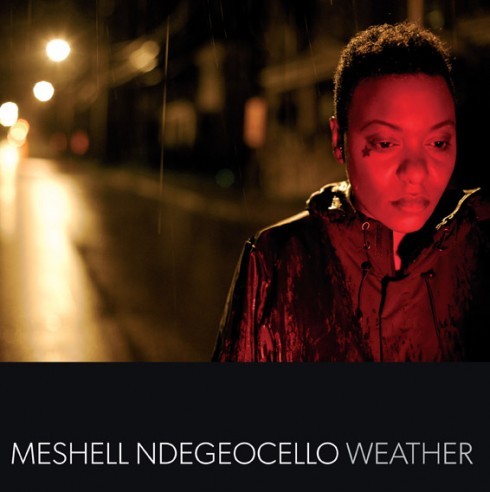
 View Artist