Song Meaning
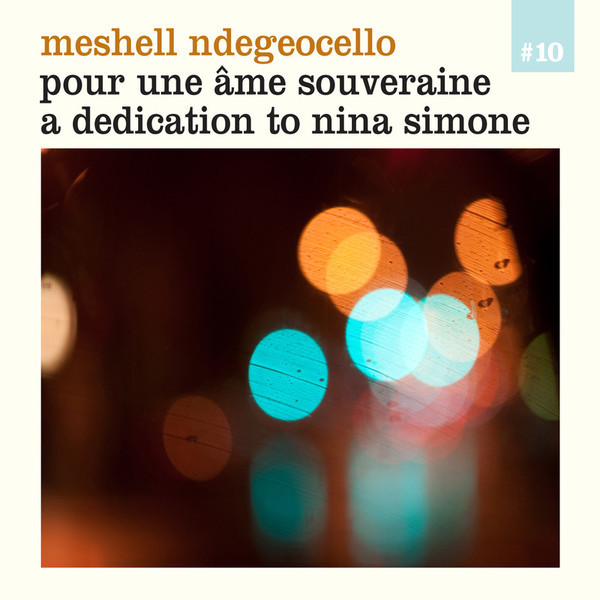
Meshell Ndegéocello's interpretation of Nina Simone's "Four Women" is less a cover and more a sonic excavation, revealing layers of trauma and resilience embedded within the African American female experience. Ndegéocello, with her signature blend of funk, jazz, and spoken word, amplifies the song's already potent message, pushing it into a contemporary landscape still grappling with the legacies of racism and sexism. The song, at its core, is a quartet of portraits, each woman embodying a different facet of black womanhood shaped by historical oppression. Aunt Sarah represents the enduring strength and servitude born of slavery, her body a vessel for absorbing generations of pain. Saffronia, caught between worlds due to her mixed heritage, embodies the complexities of identity and the trauma of sexual violence. Her existence is a direct consequence of exploitation, forever straddling the color line.
Sweet Thing, with her hyper-sexualized presentation, exposes the objectification and commodification of black women. The line "Anyone with money to buy" is a stark indictment of the power dynamics at play, reducing her to a mere commodity. Finally, the brown-skinned woman, hardened by a life of hardship, simmers with rage. Her bitterness is not a personal failing but a direct response to the systemic injustices she has endured. The line "I'll kill the first mother I see" is deliberately shocking, suggesting a desire to destroy the source of life itself, reflecting the profound damage inflicted upon her psyche.
Ndegéocello doesn't simply sing these women's stories; she embodies them, channeling their pain and anger through her raw vocal delivery and haunting instrumentation. Her arrangement emphasizes the cyclical nature of trauma, highlighting how these historical wounds continue to fester in the present. The power of "Four Women," as interpreted by Meshell Ndegéocello, lies in its unflinching portrayal of the multifaceted experiences of black women, refusing to reduce them to simplistic stereotypes or silence their voices. It's a necessary and urgent reminder of the ongoing struggle for equality and the enduring strength required to navigate a world that often seeks to diminish and erase them.
 View Artist