Song Meaning
Meshell Ndegéocello's "I Love Music So Much" isn't a straightforward declaration of devotion; it's a complex, almost devotional exploration of vulnerability and surrender. The opening lines immediately establish a desire for renewal, a shedding of past burdens: "I wanna live as a beginner." This isn't naive optimism, but a deliberate choice to navigate life with the open senses of someone unburdened by expectation or resentment. The image of outstretched "blackest wings" feeling for a wall suggests a cautious, even hesitant, embrace of the unknown. The speaker is reaching, but not blindly, aware of potential obstacles and limitations. This quest for a fresh start isn't just about erasing the past, but about actively forgetting the debts and grievances accumulated in the name of love. It's a conscious act of emotional housecleaning. The phrase "speak like groaning timber" suggests a raw, unpolished honesty, a willingness to express pain and vulnerability without artifice.
The second verse introduces a more intimate element, a connection with another person that is both joyful and unsettling. "I wanna take you just like laughter" suggests spontaneity and pleasure, yet the following lines introduce a darker undercurrent: "Scatter 'em out here after/And follow you like a threat." This is not a simple, uncomplicated love, but one tinged with a hint of danger, a recognition of the power dynamics inherent in any close relationship. The imagery is striking – scattering something precious, then pursuing it with a sense of foreboding. It hints at a willingness to be consumed, to lose oneself in the other person, even if it means facing potential harm.
The final verse circles back to the theme of inner knowing and acceptance. To "know your song within me" suggests a deep empathy, an ability to understand and resonate with another person's essence. The plea to "see me like you do" is a vulnerable request for validation, a desire to be fully known and accepted, flaws and all. The repetition of "laugh and not remember" reinforces the initial desire to shed the past, but now it's not just about forgetting past hurts, but also about relinquishing the need to keep score, to tally up debts of love and obligation. Ultimately, "I Love Music So Much" is a profound meditation on the transformative power of vulnerability, the complexities of human connection, and the ongoing process of self-discovery.
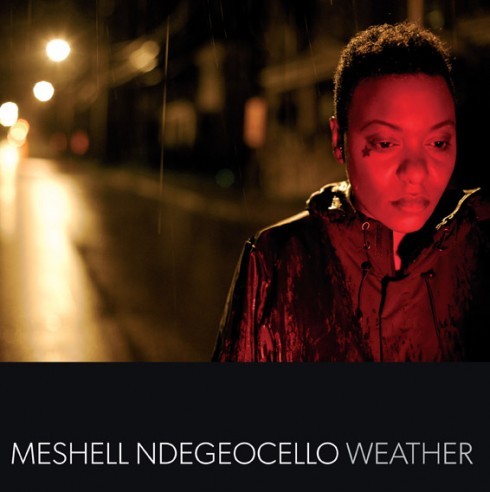
 View Artist