Song Meaning
The lyrics open with a poignant scene: the speaker asks a "green-eyed one" to close their eyes as an "old film" plays, a memory where the beloved is the "main role" but the speaker "doesn't exist." This immediately establishes a tone of wistful nostalgia and a profound sense of absence, as if the speaker is an unseen observer of their own past.
A central tension emerges as the speaker resigns to fate, declaring that what must happen should, but "without tears and big words." This acceptance is tinged with the bitter wisdom of past pain, revealed through the image of having "looked at the sun" for too long, suggesting a love that was once intensely bright but ultimately damaging.
Despite this weary acceptance, a powerful surge of longing breaks through. The speaker imagines intimate acts, like drinking water from the beloved's palms, melting past coldness, and even proposing marriage. Yet, this tender fantasy is brutally cut short by the stark reality: "But it's too late for that." The subsequent lines, lamenting the lack of "eighteen years" or a "sword in my chest," reveal the core reason for this retreat, portraying youth and courage as prerequisites for starting over that the speaker no longer possesses.
The repetition of the idea of not having youthful energy underscores the speaker's profound exhaustion and the finality of their decision to not re-engage with past emotional battles. The contrast between the vivid, almost desperate desire for reconnection and the immediate, world-weary rejection creates a deep sense of regret. These lyrics are effective because they capture the raw, internal conflict of someone who still feels the pull of a powerful love but is too scarred and tired to chase it, choosing instead to accept a "wretched" present.
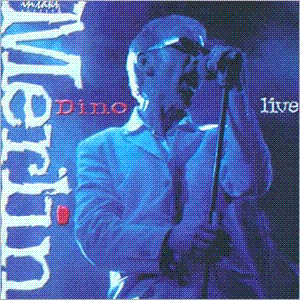
 View Artist