Song Meaning
The narrator is caught in an impossible situation, forced to make a choice that guarantees loss for everyone involved. The central question, "Why do I have to choose?" hangs heavy, immediately framing the dilemma as unfair and destructive. The recurring image of "everybody lose" paints a bleak picture, suggesting the choice isn't just about personal gain or loss, but a wider ripple effect of sorrow. This sets a tone of reluctant defiance, culminating in a firm "darling, I refuse."
The core tension arises from the narrator's perception of two distinct loves, both described as "true" despite their differences. The lyrics state, "The love is not the same / But either love is true." This acknowledgment complicates the forced choice, as neither option is presented as inherently inferior or false. The narrator values the unique nature of each connection, particularly the one that "creates its own design," implying a profound and singular bond that defies conventional categorization.
The most striking aspect of the writing is the persistent, almost mantra-like repetition of the chorus. This structural choice amplifies the narrator's internal struggle and their growing resolve. The phrase "sing the blues" becomes a metaphor for the inevitable sadness that follows such a decision, a fate the narrator actively rejects. The refusal isn't a passive wish; it's an active declaration against a system that demands such painful sacrifices.
Ultimately, the lyrics resonate because they articulate a universal feeling of being trapped by external pressures that disregard the complexity of human connection. The narrator's refusal to choose, while perhaps impractical, speaks to a deep-seated desire to honor the validity of multiple genuine affections. It's this defiant stand against a lose-lose scenario that gives the song its emotional weight and defiant heart.
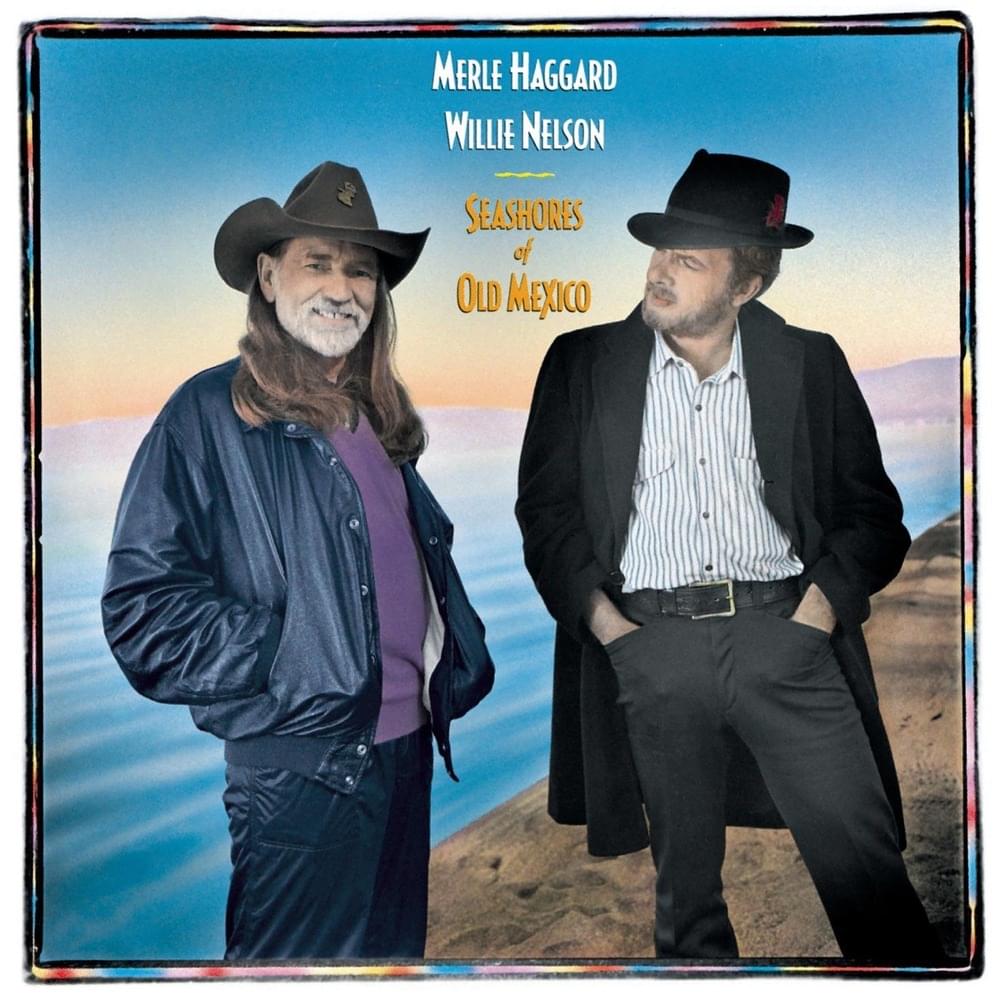
 View Artist