Song Meaning
The lyrics paint a stark picture of a relationship that's fractured, not by a lack of love, but by an external force the narrator can't control. The opening lines immediately establish a sense of inevitability, suggesting that "fate had different plans." This isn't about a lovers' quarrel; it's about a perceived cosmic misalignment that has derailed what was once central: "Love used to be the most important thing." The repeated refrain, "life's just not the way it used to be," underscores a profound sense of loss and disorientation.
The narrator grapples with a deep existential crisis, questioning their own identity in the wake of this relational collapse. "If loving someone all the way / Is gone for good with yesterday," they ask, "Then what am I?" This leads to a desperate self-assessment: "I'm just a fool who pays no mind / I'm out of step and out of time." The raw admission "And I want to die" reveals the crushing weight of this disillusionment, a feeling that their very existence is meaningless without the structure love once provided.
The most striking aspect is the narrator's insistence on the continued existence of love, even amidst the wreckage. They declare, "I love you so, but I don't know the answer / And I know so well that you're in love with me." This creates a poignant tension: the love is acknowledged, even reciprocated, yet the relationship is irrevocably broken. The lyrics suggest that sometimes, even when love itself is present and strong, external circumstances or a fundamental mismatch in life's trajectory can render it insufficient to hold things together. The simple, repeated statement "life's just not the way it used to be" becomes a mournful epitaph for a shared future that never materialized, despite the enduring affection.
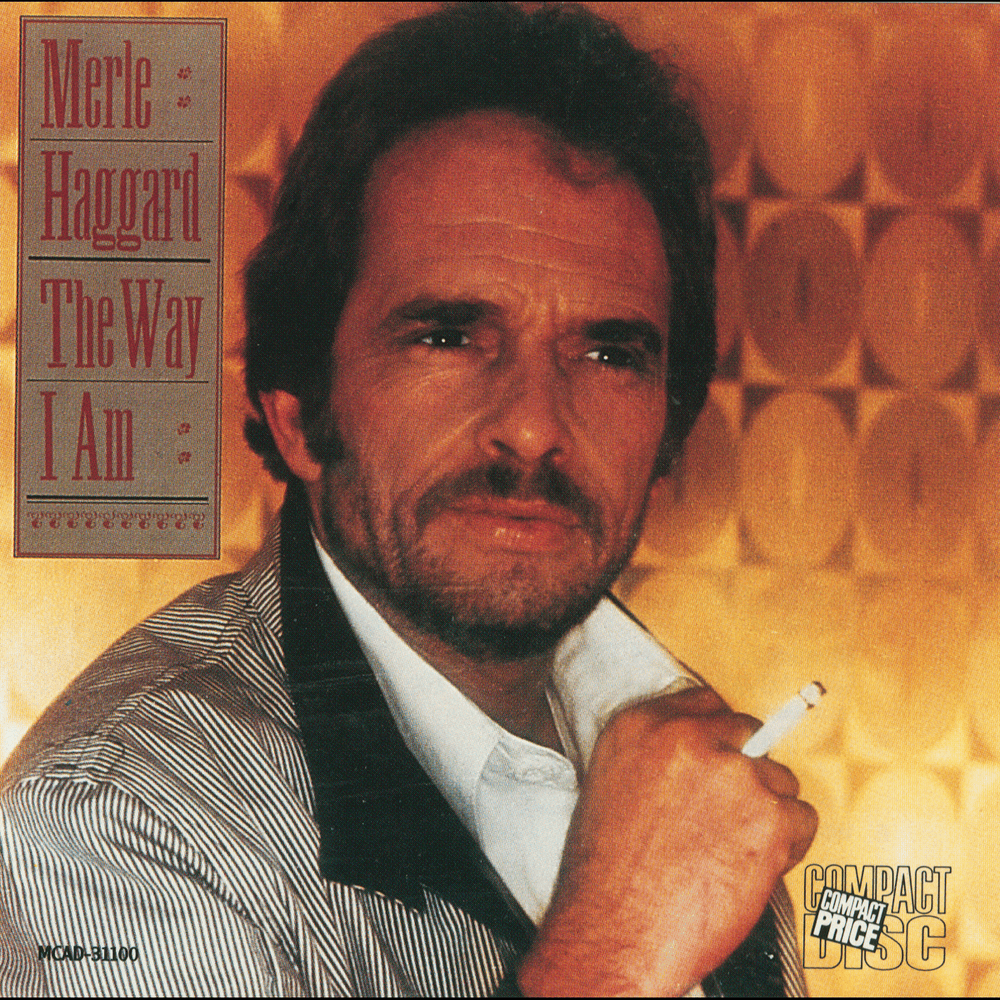
 View Artist