Song Meaning
The narrator recounts a history of silent suffering, keeping their pain a secret as long as the object of their affection remained theirs. This exclusivity, however, was a fragile facade, masking a deeper betrayal. The core of the narrative hinges on a conditional loyalty: the narrator would have remained silent about the other person's transgressions if only they had been loved in return. The lyrics reveal a profound sense of being wronged, not just by the initial hurt, but by the subsequent exposure of secrets.
The central tension arises from the narrator's past complicity in hiding the other person's actions, juxtaposed with their current, or potential, willingness to expose them. The phrase "I was loyal to the pain" is a striking inversion, suggesting a perverse dedication to enduring suffering rather than revealing the source. This loyalty extended even to a new partner, who remained unaware of the narrator's hidden anguish, highlighting the depth of the secrecy.
The turning point, or rather the catalyst for potential revelation, is the other person's departure and subsequent actions. The line "he told the things you do" signifies that the narrator's silence was broken, not by their own volition, but by someone else's disclosure. This external revelation shifts the power dynamic, implying that the narrator's secret-keeping was ultimately futile or perhaps even a burden they were relieved to shed, albeit under duress.
What makes these lyrics resonate is the raw depiction of a love that curdles into resentment and the quiet power of withheld information. The conditional "if you'd loved me" underscores a deep-seated hurt, suggesting that the narrator's silence was a currency of affection that was never reciprocated. The final chorus, repeating the conditional, hammers home the tragic irony: the narrator's silence was contingent on a love that was never truly given, and their secret-keeping ultimately failed to preserve the relationship or their own peace.
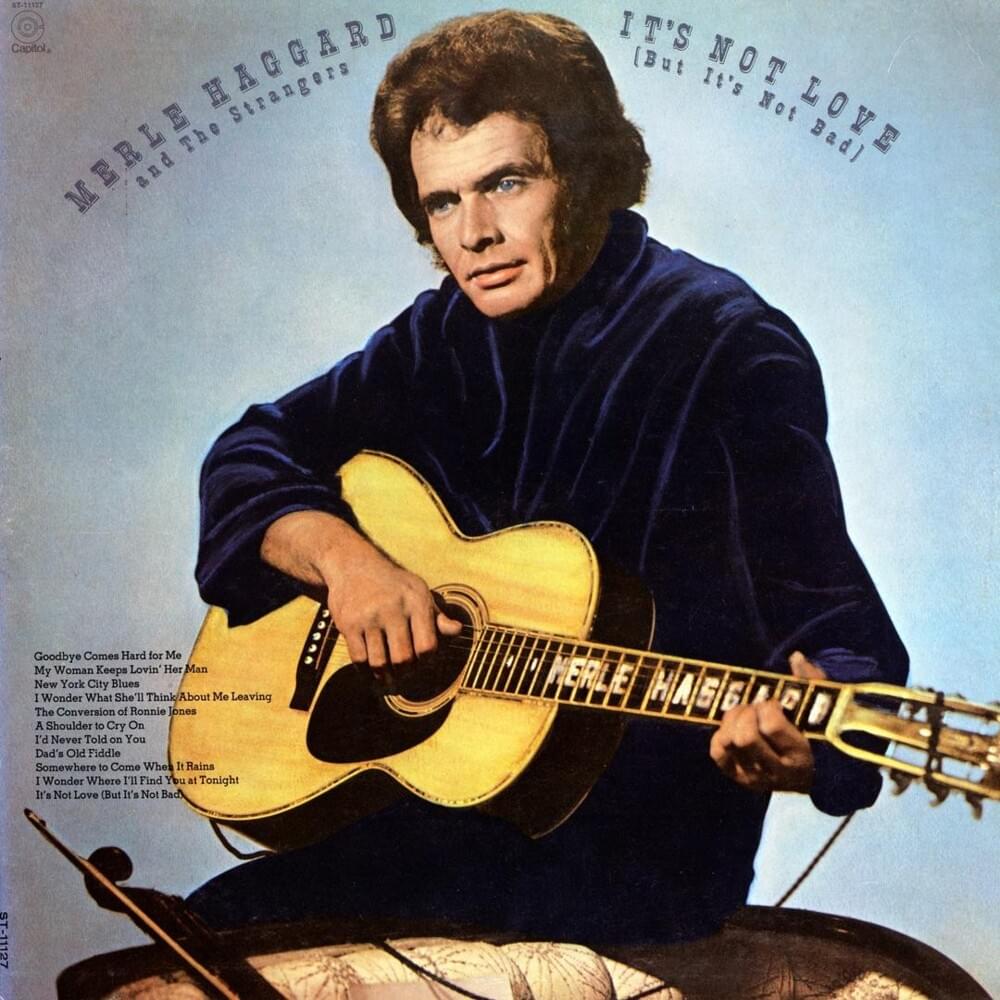
 View Artist