Song Meaning
The narrator is exhausted by the performance of happiness, tired of maintaining a facade that doesn't match their internal state. There's a clear weariness in the repeated phrase "tired of pretending and tired of defending," suggesting a long-standing effort to appear okay. This effort feels like a burden, especially when contrasted with the stark admission, "I don't have any love around."
The core tension lies in the paradox of being single versus being lonely. While singledom is often framed positively, the lyrics reveal its dark side: profound isolation. The narrator tries to navigate this by staying "sober" and "friendly," but these coping mechanisms only highlight the underlying sadness, as friends' attempts to cheer them up fall flat, indicating a deeper, unaddressed emptiness. The repeated line, "I don't have any love around," acts as a blunt, almost resigned, statement of fact.
The imagery of the "tears in the eyes of a clown" is particularly poignant. It captures the narrator's struggle to hide their pain behind a smile, a classic trope that here feels deeply personal and wearying. This isn't a fleeting sadness; it's a lifelong struggle, as evidenced by "I've tried all my life / And I'm still lonely now." The lyrics suggest a profound sense of being misunderstood, even by those who try to help.
Ultimately, the effectiveness of these lyrics stems from their raw honesty and the simple, direct language used to convey a complex emotional state. The repetition of the central phrase hammers home the pervasive nature of the narrator's loneliness, making it feel inescapable. It’s the quiet desperation of someone who has tried to connect but finds themselves perpetually on the outside looking in.
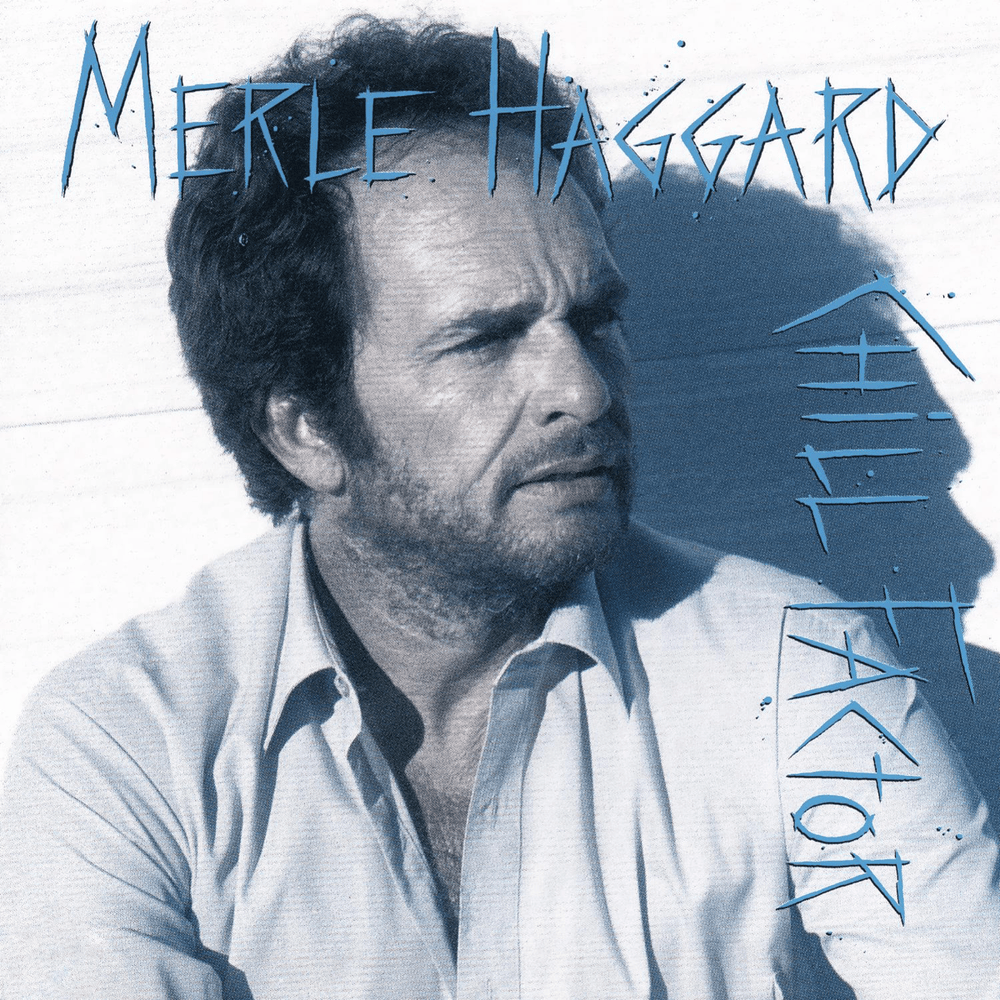
 View Artist