Song Meaning
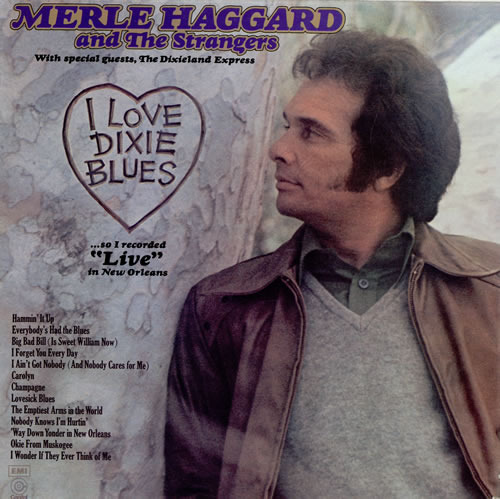
The lyrics paint a picture of universal sadness, framing it as a familiar and shared experience. The opening lines immediately establish a sense of communal understanding, suggesting that the specific pain of the narrator is not unique. This isn't about a novel affliction; it's about a well-trodden emotional path. The repetition of "everybody knows" reinforces this idea of shared human experience, almost as if the narrator is seeking solace in the collective nature of sorrow.
The central tension lies in the contrast between the deeply personal feeling of sadness and its presentation as a universally recognized phenomenon. The chorus attempts to define this "blues" through common triggers: loss, unrequited desire, and the inevitable passage of time. It’s a cyclical view of misery, where wanting and waiting inevitably lead to a state of unhappiness. This framing, while potentially comforting, also risks minimizing the individual’s specific hurt by lumping it into a general category.
The most striking aspect of the craft here is the insistent, almost mantra-like repetition of "Everybody's had the blues." This isn't just a thematic device; it’s the structural backbone of the song. It creates a sense of inevitability and resignation, as if acknowledging the blues is the only possible response. The lyrics suggest that the tune of sadness is as recognizable as a common melody, implying a shared emotional vocabulary that transcends individual circumstances. The phrase "story old as time" further solidifies this sense of timeless, recurring human drama.
Ultimately, the effectiveness of these lyrics stems from their attempt to normalize and destigmatize sadness. By repeatedly asserting that "everybody knows the way I'm feeling," the song aims to create a connection through shared vulnerability. It’s a powerful assertion that even in moments of deep personal sorrow, one is not truly alone, but part of a vast, albeit melancholic, human chorus.
 View Artist