Song Meaning
This song paints a stark picture of a desperate act driven by desire and perceived necessity. The narrator, imprisoned after robbing a jewelry store, directly addresses Julie. The central motivation appears to be a specific, large diamond Julie admired, which the narrator stole, believing it was a path to fulfilling her wish. The immediate consequence is incarceration, a stark contrast to the desired outcome of impressing or providing for Julie.
The core tension lies between the narrator's impulsive actions and the immense, unforeseen cost. He acknowledges the diamond "called for money" and was "too much for me to pay," but the "price I'm paying now is so much bigger" – his freedom. This sets up a desperate plea to Julie, questioning his right to speak while incarcerated, yet compelled to ask her to wait. The lyrics suggest a deep insecurity about Julie's true feelings, wondering if she only desired the "diamond" or if she also wanted "me."
The most striking craft element is the ironic framing of the crime and its aftermath. The narrator frames the theft of the diamond as an act of love or provision, directly linking it to Julie's expressed wish. However, this act leads not to reward but to severe punishment, highlighting a profound miscalculation. The repeated plea, "Don't get married, Julie, wait for me," becomes a desperate anchor in his bleak reality, a fragile hope that his sacrifice will ultimately be understood and rewarded with her continued affection and patience.
What makes these lyrics resonate is the raw, almost naive desperation of the narrator's perspective. He committed a serious crime, yet his focus remains on Julie's potential disappointment and his own longing for her. The stark contrast between the glittering prize and the grim prison cell, coupled with his plea for patience, creates a potent emotional landscape. It’s a story of misguided ambition and the crushing weight of consequences, all filtered through a singular, desperate hope for love.
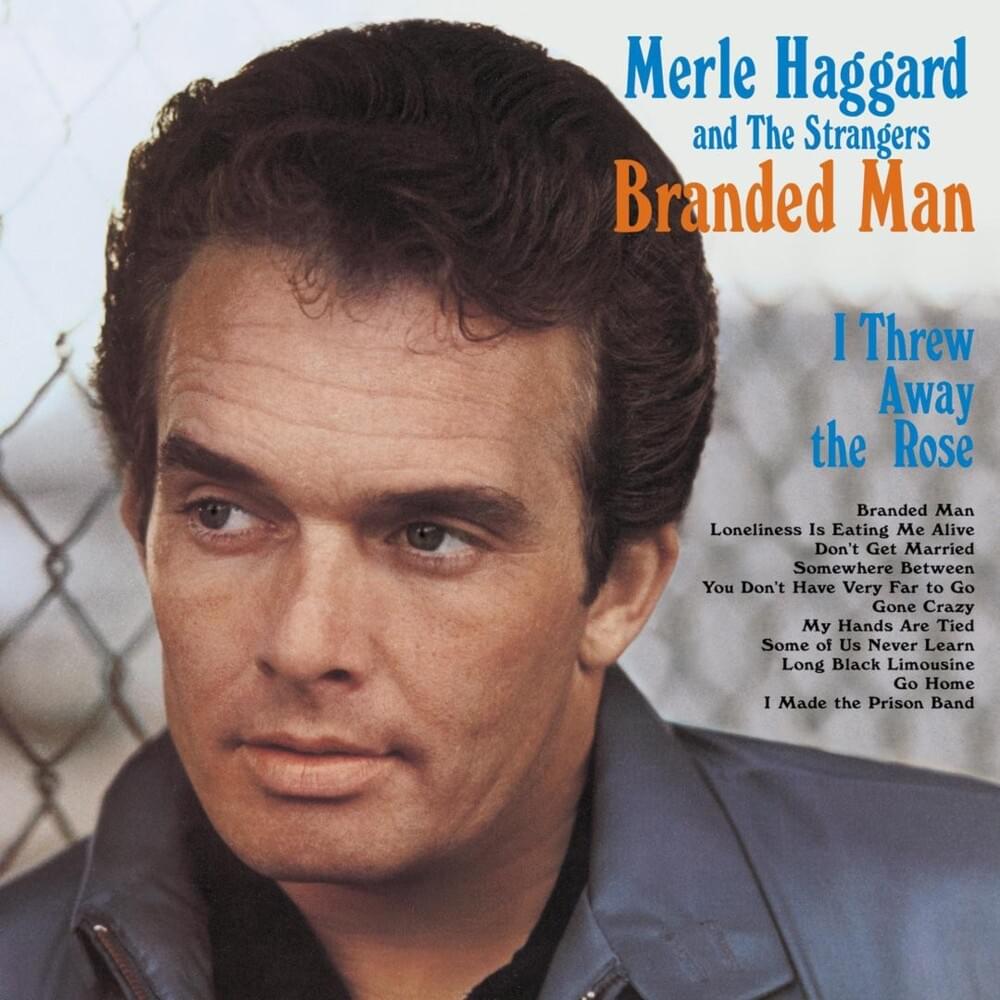
 View Artist