Song Meaning
The lyrics paint a stark picture of potential agricultural collapse, hinging on the hypothetical disappearance of 'Amber Waves Of Grain.' This isn't just about losing crops; it's about a fundamental shift in how we source our food, questioning if we'd rely on foreign manufacturers for staples like bread and potatoes. The narrator poses a disquieting scenario where even an 'Idaho spud' might carry a 'Made In Japan' stamp, highlighting a potential loss of national self-sufficiency.
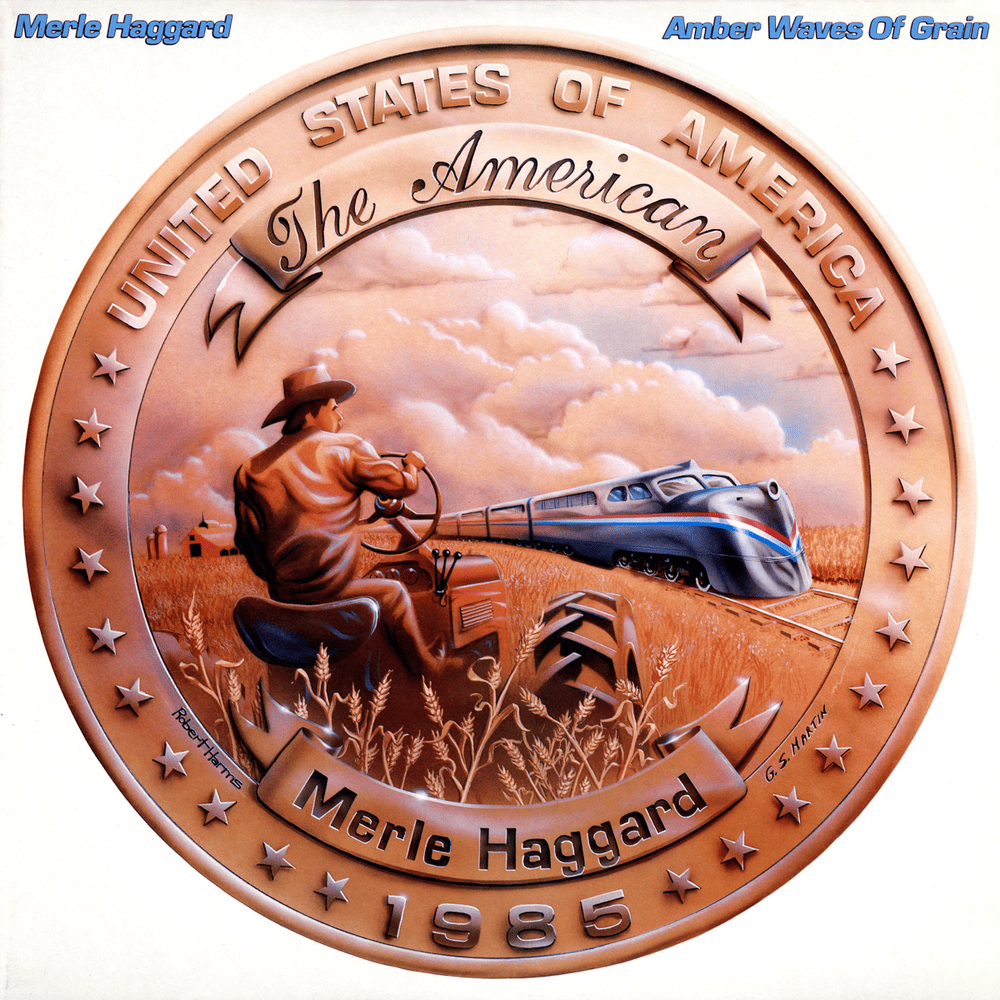
The central tension arises from the absence of the farmer, the linchpin of this entire system. The lyrics explicitly state, "The farm just won't get tended, if the farmer isn't here." This absence is further amplified by the image of a "railroad train that's on it's way to no where," a potent metaphor for a system or a person moving towards an inevitable, unproductive end. The question looms: will the "future farmer" board this train, signifying a complete exodus from agriculture?
The most striking aspect is the juxtaposition of iconic American imagery with globalized commerce and foreign aid. The repeated question about buying from "the Toyota man" and the "Made In Japan" spud directly contrasts with the "Amber Waves Of Grain" and the "Idaho spud." This contrast underscores the potential disconnect between traditional American agriculture and the modern global economy, suggesting that without intervention, the former could be entirely supplanted by the latter. The lyrics also touch on the complex issue of foreign aid, questioning its allocation and its potential impact on keeping farmers in place.
Ultimately, the effectiveness of these lyrics lies in their direct, almost conversational, yet deeply unsettling, questioning. By posing hypothetical scenarios and using stark, contrasting images, the narrator forces the listener to confront the fragility of our food supply and the potential consequences of neglecting the agricultural backbone of the nation. The repeated refrain, "Or the 'Amber Waves Of Grain' may disappear," serves as a constant, ominous reminder of what's at stake.
 View Artist