A Picture of Me (Without You)
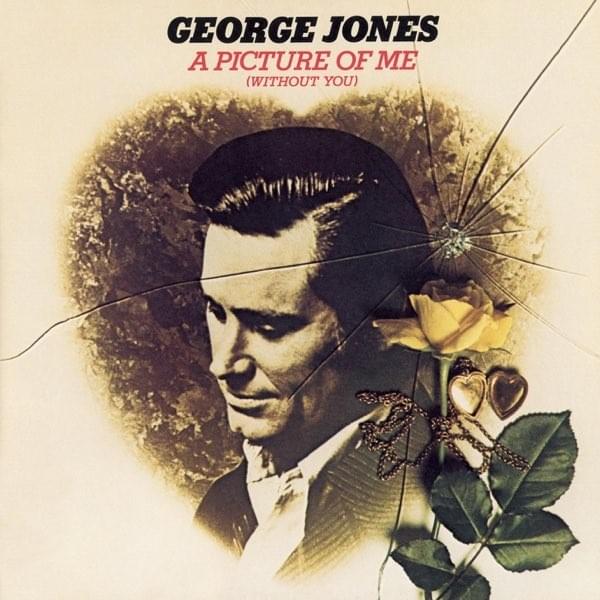
George Jones - Country, In English
A Picture of Me (Without You)
10.6K Plays
Duration: 2:30
 View Artist
Lyrics
[Verse 1] Imagine a world where no music was playing Then think of a church with nobody praying If you've ever looked up at a sky with no blue Then you've seen a picture of me without you [Verse 2] Have you walked in a garden where nothing was growing? Or stood by a river where nothing was flowing? If you've seen a red rose unkissed by the dew Then you've seen a picture of me without you [Verse 3] Can you picture Heaven with no angels singing? Or a quiet Sunday morning with no church bells ringing? If you've watched as the heart of a child breaks in two Then you've seen a picture of me without you
Rate this song
0/5.0 - 0 Ratings
5
0.0% (0)
4
0.0% (0)
3
0.0% (0)
2
0.0% (0)
1
0.0% (0)
Loading comments...
Credits
- Writers
- Norro Wilson
- George Richey