Song Meaning
Meredith Brooks's "Back to Nowhere" isn't just a song; it's a raw, exposed nerve of regret and longing. The opening lines, "If you could have told me I wouldn't find my way back home," immediately plunge us into a space of disoriented isolation. This isn't about a physical location, but a psychic exile, a banishment from a state of grace, presumably within a relationship. The repeated lament, "Back to nowhere," acts as a haunting refrain, signifying not just the absence of something, but the active pull of a void, a familiar yet undesirable space the singer keeps circling back to. It's a testament to the power of negative attachment, the psychological gravity that keeps us tethered to situations we know are detrimental.
The lyrics hint at a breakdown in communication, a failure to articulate deep feelings: "Love don't make the reasons why, Some people just don't find the words to convey The truth." Brooks isn't laying blame; instead, she's acknowledging the fundamental human struggle to bridge the gap between inner experience and outward expression. This resonates with the listener because it taps into a universal fear: the fear of being misunderstood, of loving imperfectly, of ultimately failing to connect with someone on a soul level. The "nowhere" she keeps returning to becomes a symbol of this failure, a place where unspoken words and unexpressed emotions fester. The question, "Why do I keep falling back?" isn't rhetorical; it's a genuine plea for understanding, both from a lost lover and from herself.
However, amidst the regret and the return to "nowhere," there's a flicker of hope, a yearning for connection that refuses to be extinguished. The shift from "nowhere" to "somewhere," "anywhere" signals a willingness to break free from the cycle of negative attachment. The final lines, "You should know I'd gladly go Back to somewhere, Back to anywhere, I go, With you," represent a profound act of vulnerability and a courageous assertion of agency. It's an acknowledgment that the singer's personal "somewhere" or "anywhere" is defined by the presence of the other person. The song's true meaning lies in this tension between the pull of the past and the fragile hope for a future, a testament to the enduring power of love and the possibility of redemption, even in the face of profound loss.
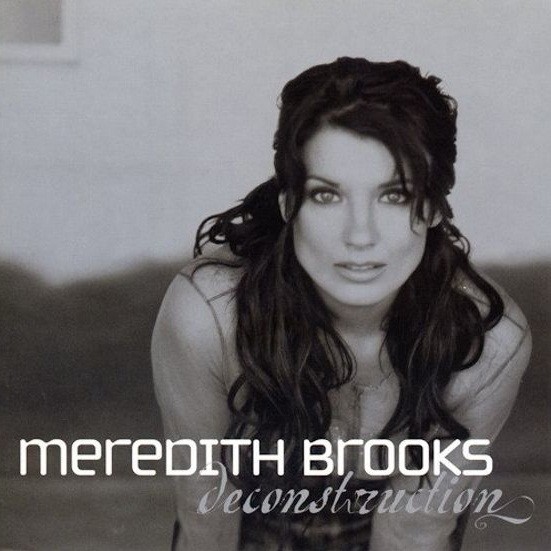
 View Artist