Song Meaning
This track flips the Lord's Prayer into a dark invocation, setting a scene of defiant surrender. The opening lines immediately invert the sacred, placing the divine in Hell and establishing a twisted sense of reverence. It's a bold statement, immediately signaling a rejection of traditional piety and an embrace of something more primal and perhaps, more honest.
The core tension here lies in the acceptance of temptation and the rejection of false piety. The narrator actively seeks out a path that leads to temptation, directly contrasting with the plea to be delivered from evil found in the original prayer. This suggests a deliberate choice to engage with darker impulses or experiences, viewing them not as something to be avoided but as a necessary part of a spiritual or personal reckoning.
The most striking craft element is the systematic subversion of familiar religious language. Phrases like "Our father who art in Hell" and "thy will is done / On earth as it is in Hell" create a powerful sense of blasphemous familiarity. The repetition of "thy" and "thee" maintains the prayer's structure, making the inversion even more jarring and effective. The final "Shem ha-Mephorash," a Kabbalistic term for the explicit name of God, adds a layer of arcane power to this dark liturgy.
This lyrical construction works by leveraging the listener's ingrained understanding of the Lord's Prayer. By twisting these sacred words, the lyrics evoke a visceral reaction, forcing a confrontation with themes of sin, temptation, and a radically different conception of the divine. It’s this audacious reimagining of a universally recognized text that gives the piece its potent, unsettling impact.
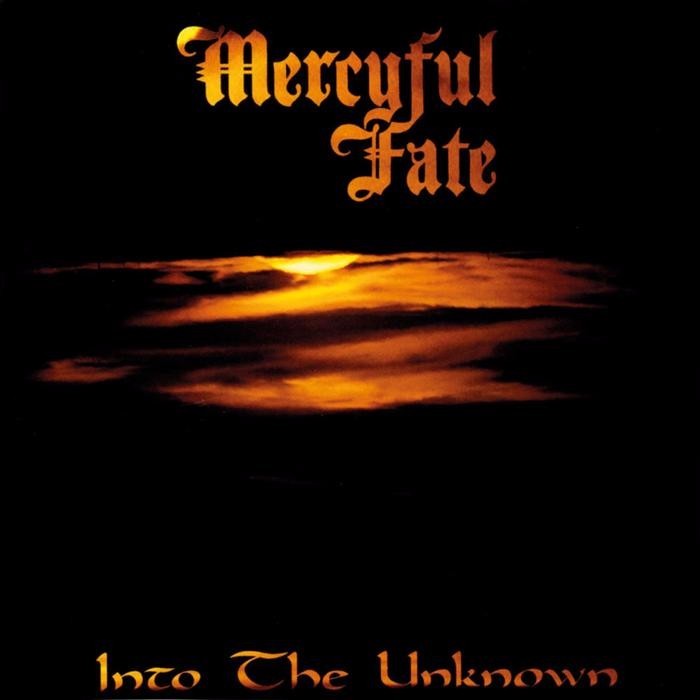
 View Artist