Song Meaning
The lyrics paint a vivid picture of a clandestine gathering, a "sabbath" convened by a "ruined bridge." It's an invitation to a world of supernatural entities, where "witches and demons are coming" and the "Master will join us," summoned "from the heart of Hell." The initial scene is set with ritualistic precision: a fire is lit, a Lord is hailed, and contrasting candles mark the cardinal directions. This careful arrangement of elements underscores the deliberate nature of the ceremony, preparing the ground for invocations and the speaking of "Infernal names."
The core tension arises from the juxtaposition of dark ritual and personal grievance. While the ceremony proceeds to "grant your wishes," it's fueled by a specific act of vengeance: "An evil curse on the priest who took the life of Melissa." This personal vendetta is woven into the fabric of the infernal pact, suggesting that the "sabbath" is not just about abstract power but also about enacting retribution. The contrast between "Heaven" as "a castle of lies" and the desire for "revenge" solidifies this, positioning the narrator's allegiance firmly with the forces of darkness as a means of achieving justice.
The most striking aspect of the craft is the direct address and the stark, declarative pronouncements that frame the supernatural event. The repeated, almost hypnotic "Come to the sabbath" acts as a siren call, drawing the listener into the ritual's orbit. This is amplified by the sharp, antithetical statements in the outro: "If you say Heaven, I say a castle of lies / You say forgive him and I say revenge." These lines don't just state a preference; they define the narrator's worldview and the very purpose of their communion with "my sweet Satan," revealing a profound rejection of conventional morality in favor of a darker, more personal form of justice.
Ultimately, the lyrics resonate because they tap into a primal desire for power and retribution, presented through the lens of a potent, albeit fictional, occult ritual. The meticulous description of the ceremony lends it a chilling authenticity, while the personal motivation of revenge provides an emotional anchor. The stark contrasts and unwavering commitment to the "Master" create a powerful sense of conviction, making the invitation to the "sabbath" feel less like a fantasy and more like an inevitable, darkly compelling choice.
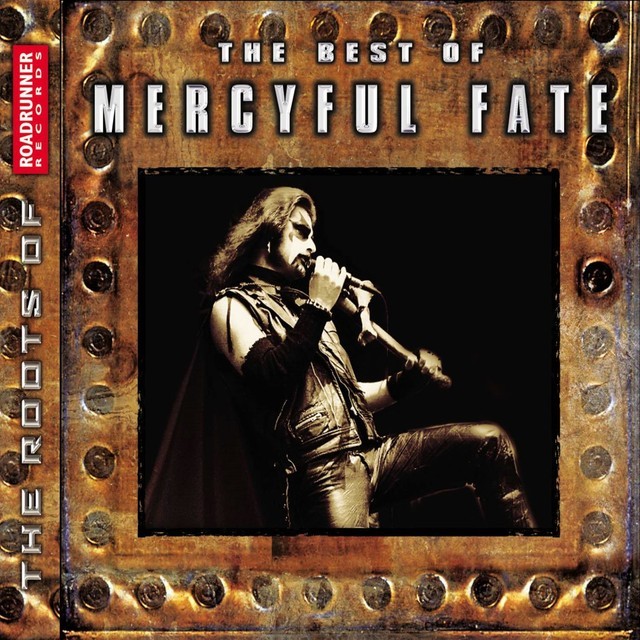
 View Artist