Song Meaning
The lyrics paint a dreamlike scene where a river speaks with a voice of "snowy summit" and "sweetness," recalling "things of my homeland." This river, however, is weeping, urging the narrator, "You who can, turn back... The hills you love so much... are waiting for you there." The core of the song seems to lie in this poignant plea, a desperate yearning for connection and a return to a cherished place that the river itself cannot achieve.
The dominant emotional tension arises from the river's lament and its envious comparison to a lagoon. "It's a sad thing to be a river," it confesses, wishing it could be a "lagoon" to "hear the whistle of the reed / When the moon kisses it." This highlights a profound sense of unfulfilled longing and a desire for stillness and rootedness, contrasting with the river's perpetual, perhaps sorrowful, flow.
The most striking craft element is the personification of the river, imbuing it with human emotions of sadness, envy, and a deep-seated desire for belonging. The repetition of "Tú que puedes, vuélvete..." acts as a haunting refrain, emphasizing the narrator's agency and the river's own inability to heed its own advice. The lyrics suggest a parallel between the river's fate and the narrator's: "What more similar things / Are your destiny and mine: / To live singing and suffering / Along these long roads."
This writing is effective because it uses the natural imagery of a river to explore universal themes of longing, destiny, and the pain of separation. The river's plea feels deeply personal, yet its lament about its own nature – forever flowing, unable to return – resonates with anyone who has felt stuck or yearned for a home they cannot reach. The dreamlike quality allows for a raw emotional expression that feels both intimate and expansive.
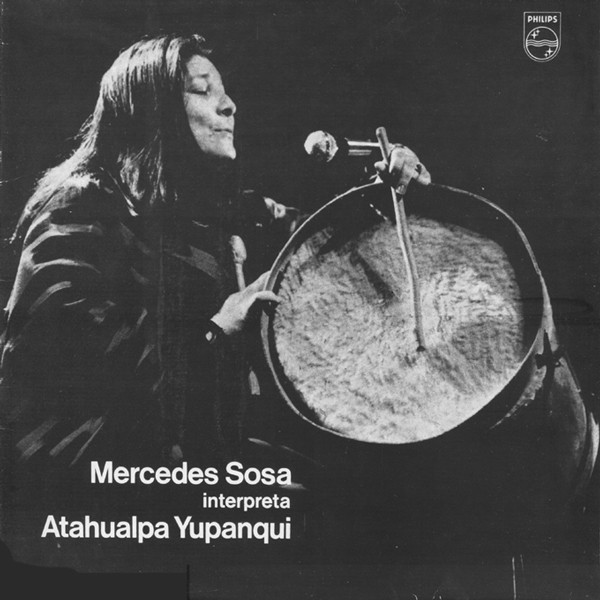
 View Artist