Song Meaning
The narrator pleads with "blue eyes" not to cry, and more importantly, not to fall in love, because sorrow is inevitable when they part. This initial plea sets a tone of impending heartbreak, a premonition of pain that the speaker already feels acutely. The repetition of "no llores" (don't cry) emphasizes the speaker's desperate desire to shield the other person from the hurt they know is coming.
The core tension arises from a broken promise. The narrator recalls a vow of eternal love, "quererme toda la vida" (love me your whole life), only to see it shattered within days. This stark contrast between a grand declaration and swift abandonment fuels the narrator's despair. The swiftness of the betrayal, "no han pasado dos, tres dias" (not even two, three days have passed), makes the pain feel immediate and profound.
The lyrics express a desperate desire for oblivion, specifically through poison. The narrator wishes to drink "veneno" (poison) not just to die, but crucially, "para olvidarte" (to forget you). This highlights the unbearable nature of the memory and the pain of the broken promise. The repeated imagery of poison underscores the depth of the narrator's anguish and their wish for a complete erasure of the experience.
This song hits hard because it captures the raw, immediate agony of betrayal and the desperate wish for escape. The simple, direct language and the insistent repetition of "ojos azules no llores" create a haunting lament. It’s the feeling of a promise dissolving before your eyes, leaving only a desperate plea and a yearning for an end to the pain.
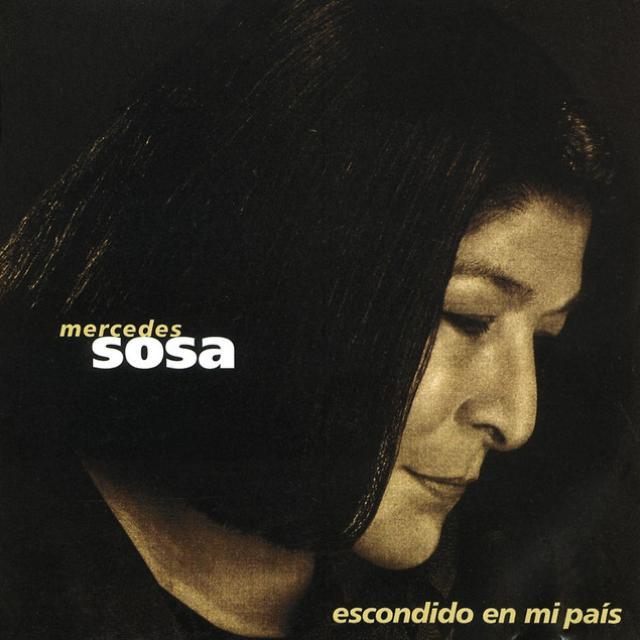
 View Artist