Song Meaning
The narrator grapples with a profound desire for escape, questioning if shedding external burdens would unlock their true self. The opening lines paint a stark picture: the fantasy of vanquishing enemies and silencing their words, a wish for a clean slate where identity isn't shaped by past hurts. This yearning for a radical reset extends to material possessions and social ties, posing the question of whether a complete severance could lead to a genuine sense of belonging elsewhere.
The central tension lies in the conflict between the desire for reinvention and the fear of what remains when the external noise is gone. The repeated question, "Who would I dote over the most?" after "let go all of my ghosts," is particularly striking. It suggests that even in a hypothetical freedom from past traumas and adversaries, the narrator fears a void, or perhaps a self-absorption, that is equally daunting.
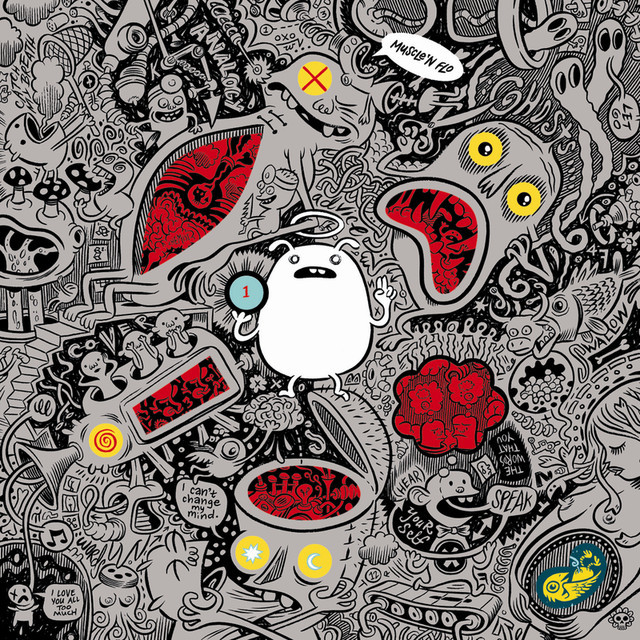
The lyrics cleverly juxtapose the imagined freedom with a paralyzing indecision. The narrator acknowledges the wisdom of others – "What if everyone is right?" – but admits, "I can't change my mind." This internal deadlock highlights the difficulty of enacting change, even when the path forward seems clear or the alternative is a painful status quo. The ghosts, it seems, are not just external enemies but also internal patterns of thought and behavior.
Ultimately, the song resonates because it articulates a universal wish for transformation coupled with the deep-seated anxieties that often accompany it. The craft lies in posing these existential questions through simple, direct language, creating a sense of intimate confession. The ambiguity of who or what the "ghosts" truly represent—past relationships, regrets, or ingrained habits—allows listeners to project their own struggles onto the narrator's quest for self-discovery.
 View Artist