Song Meaning
The lyrics paint a picture of someone offering comfort to another who is struggling with deep-seated sorrow and regret. The narrator observes the other person's self-reliance, noting, "You'll do everything on your own again," while simultaneously asserting a unique cherished status: "Yet I'm the only one that you cherish." This sets up an immediate tension between independence and a specific, intimate connection.
The core emotional conflict appears to stem from the other person's internal battles. The narrator acknowledges the difficulty of confronting pain, stating, "Sorrow, won't come up or you'll fight against." They then offer a promise of solace, a gentle intervention to help the other person find peace, suggesting, "Use somebody to gently ease you to sleep." This act of easing is presented as a way to navigate overwhelming feelings.
The repeated phrase "ease you to sleep" functions as a central motif, evolving from a gentle suggestion to a more insistent reassurance in the chorus. The narrator directly questions the other's internal state: "Do you drown in your regrets / Lost in what could be?" This probing, contrasted with the repeated, almost mantra-like "You'll be just fine," highlights the narrator's earnest desire to alleviate the other's suffering, even if the depth of that suffering remains a mystery to them. The sheer repetition of "fine" in the post-chorus amplifies this comforting, perhaps even pleading, tone.
Ultimately, the effectiveness of these lyrics lies in their portrayal of a tender, persistent offer of support against an unseen internal struggle. The narrator's focus isn't on their own pain, but on the act of soothing another, creating a sense of quiet devotion. The simple, direct language and the insistent repetition build a powerful atmosphere of care, aiming to lull someone through their darkest moments.
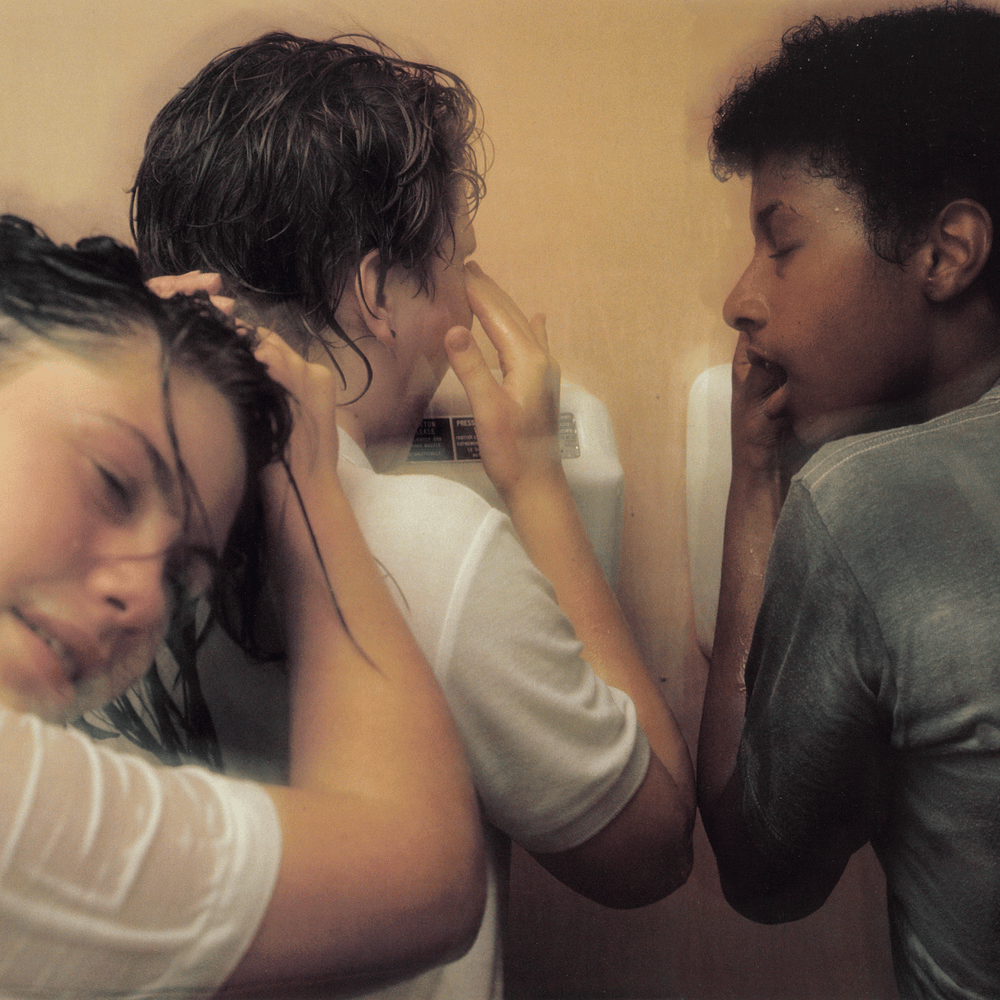
 View Artist