Song Meaning
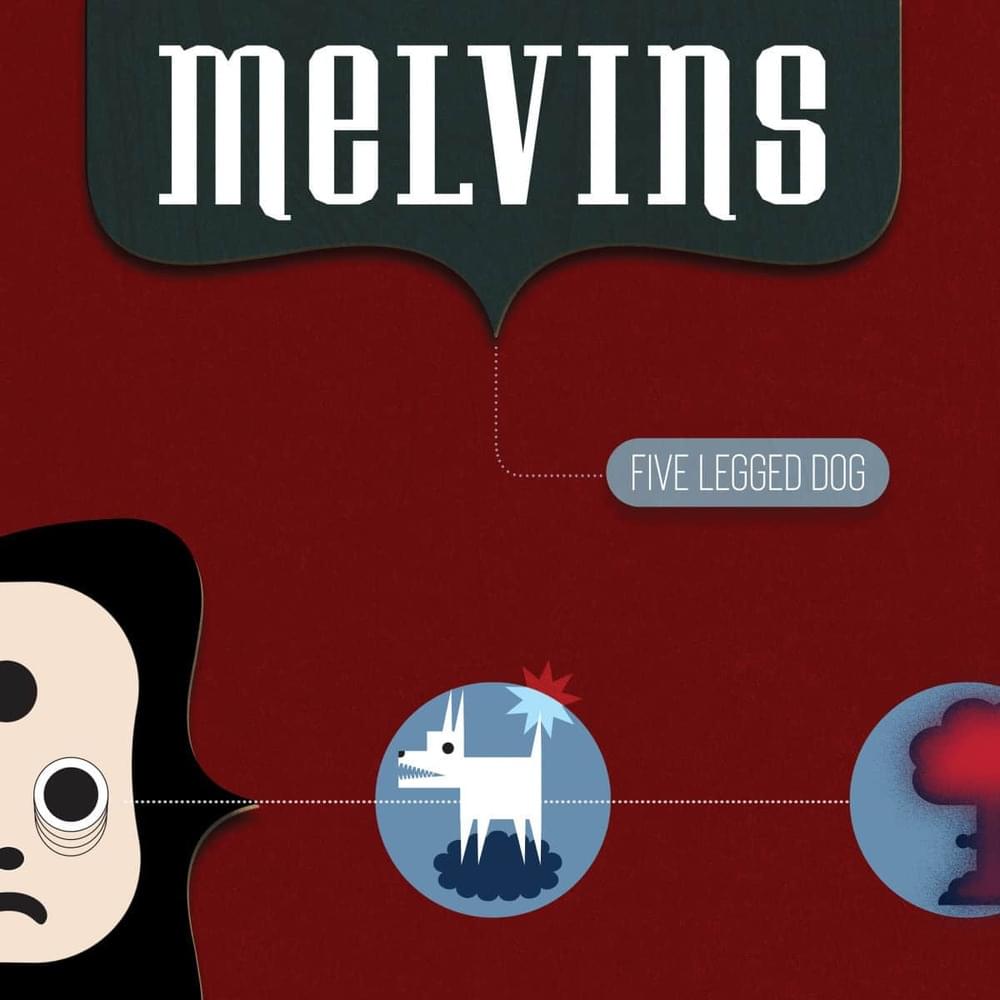
The lyrics paint a disorienting, almost hallucinatory picture of internal struggle. The opening lines introduce a vague, elusive presence, a "little animal way up in the air," that the narrator's senses can't quite grasp, suggesting a detachment from reality or a search for something intangible. This is immediately contrasted with a "little man now / In the middle of the earth," who seems to be an internal authority figure, issuing destructive commands like "let it all be burned." This duality hints at a conflict between a fleeting, external perception and a more grounded, self-destructive impulse.
The narrator seems to grapple with a sense of overlooked potential and unheard voices. The "makeshift wonders" existing in the world, with a specific count of seven, are then diminished, with five going unnoticed and three unheard. This imagery suggests a feeling of being lost in the crowd, where genuine creations or perhaps personal achievements are rendered invisible and silent. The subsequent lines about a "meal, a window" and a "face that you can't see" further emphasize this feeling of isolation and obscured identity, coupled with a possessive demand: "You can keep what you've stolen / Just give it back to me."
The most striking element is the narrator's vow of "vengeance" juxtaposed with a chilling contemplation of the "little man's" fate. The desire for retribution is fierce, "Even if they dare," yet it dissolves into a resigned, almost sympathetic observation: "Maybe his time is coming / And maybe he's better off." This shift from active aggression to passive acceptance, even a morbid form of peace, is deeply unsettling. It suggests that the internal conflict has reached a point where the narrator is contemplating not just destruction, but a final, perhaps self-inflicted, resolution, finding a strange solace in the idea of cessation.
 View Artist