Song Meaning
The lyrics paint a disorienting picture, starting with stark color contrasts like "Red mad number one" and "Blue bad not enough." There's an immediate sense of unease, amplified by the unsettling image of "One of my babies is right with guns." This sets a tone of volatile, perhaps dangerous, innocence or a loss of it. The repeated refrain, "I don't whistle more now / 'cause he's right - it's simple," suggests a surrender to an external influence or a grim realization that has silenced a former self.
The central tension seems to revolve around control and a lost past. The narrator reflects on a time "Before I was a man," where "Nothing more peeled," implying a simpler, perhaps less burdened existence. The phrase "Let's could it be controlling my heart" directly addresses this struggle for agency. The act of "denying for winning" and the "shifting only last soul" hint at a desperate, perhaps futile, attempt to hold onto something essential amidst this loss of control.
The most striking aspect of the writing is its fragmented, almost surreal imagery and its abrupt shifts in focus. The juxtaposition of childlike elements ("babies," "whistle") with violence ("guns," "pitch in the sad") creates a deeply unsettling atmosphere. The questions posed at the end – "Could you tell by emotions / Could you tell by the light / Could you tell that it's true?" – highlight a profound uncertainty about perception and reality, leaving the listener adrift in the narrator's confusion.
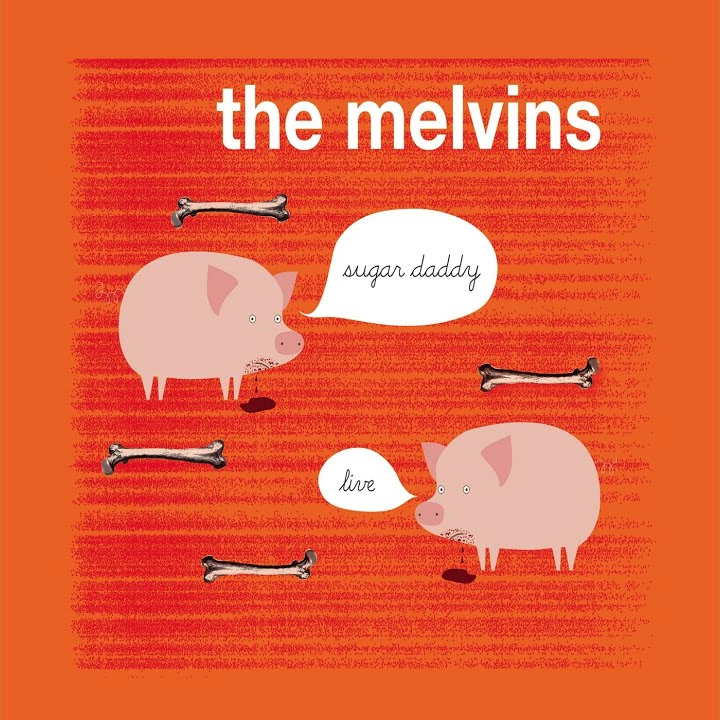
This lyrical approach is effective because it mirrors the feeling of being overwhelmed and disconnected. The lack of clear narrative forces the listener to grapple with the emotional residue of the images and phrases. The raw, almost stream-of-consciousness delivery, suggested by the live context and the fragmented structure, amplifies the sense of raw, unfiltered emotional distress, making the internal chaos palpable.
 View Artist