Song Meaning
The lyrics paint a stark, almost primal picture of existence, boiled down to a constant, competitive struggle. The repeated phrase "Chippin', chippin'" sets a tone of relentless effort, like chipping away at something or perhaps a more aggressive, competitive "chipping in." It’s a world where satisfaction is fleeting and often comes at another's expense. The narrator observes this cycle of desire and envy: "Horny when you get yours / Jealous when she gets his." This immediate, instinctual drive is presented as the core of the human experience, a cycle of wanting and acquiring.
The central tension lies in the narrator's questioning of this fundamental state. While acknowledging "that's all that life is," there's an undercurrent of dissatisfaction and a search for something more. The imagery of "droolin' when you / Move in for the kill" and "Salty when you get the bill" highlights the raw, often unpleasant, consequences of this competitive drive. The question "Ain't there a better way / To get it done?" or "To have your fun?" directly challenges the perceived inevitability of this "chippin'" lifestyle, suggesting a yearning for a less fraught existence.
The most striking aspect of the craft is the relentless repetition of "Chippin'," acting as both a descriptor and a refrain that hammers home the central theme. This is amplified by the cyclical structure of the verses and hooks, reinforcing the idea that this pattern is inescapable. The narrator's admission, "To me it'll always seem better / With a pinch of sin," reveals a resigned acceptance, or perhaps a cynical embrace, of this flawed reality. Even the seemingly innocent image of "green apples" is corrupted, tasting better only when "You bomb out the other guy's bin," further illustrating the zero-sum nature of this existence.
Ultimately, the lyrics resonate because they tap into a raw, uncomfortable truth about competition and desire. The blunt, almost crude language strips away any pretense, presenting a world where basic instincts dictate actions and outcomes. The narrator's weary questioning, coupled with the cyclical structure, leaves the listener contemplating the pervasive nature of this struggle and the persistent, perhaps futile, hope for an alternative. It’s a potent, unvarnished look at the drive to get ahead, no matter the cost.
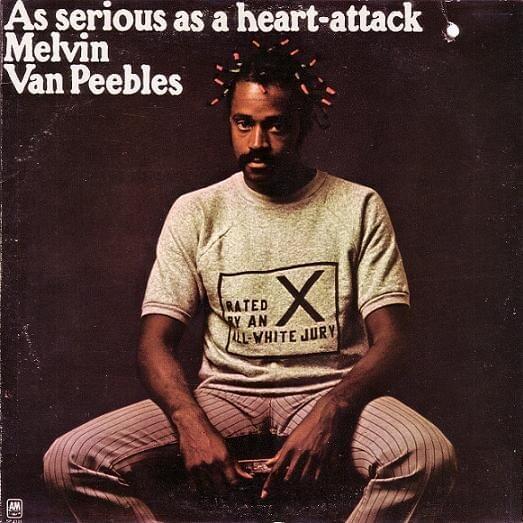
 View Artist