Song Meaning
Melody Gardot's "Bad News" isn't just a song; it's a stark, theatrical pronouncement. It arrives like a dispatch from the edge of something crumbling. The lyrics paint a scene of endings and impending doom, stripping away any pretense of celebration. There's a deliberate sense of finality— "final curtain," "dotted line," "closing time"—that suggests a reckoning. Gardot sets a stage for a moment where avoidance is no longer an option. The 'bad news' isn't simply information; it's an event, an arrival that fundamentally alters the landscape. The absence of specific details about the 'bad news' itself amplifies its power. It's a universal dread, a fear of the inevitable disappointments and collapses that punctuate life. The avoidance strategies—no more celebration, hiding children— highlight a deep-seated human tendency to shield ourselves from harsh realities. The repeated line, "The bad news has arrived," acts as a chilling mantra, driving home the inescapability of the situation.
Psychologically, the song taps into our primal anxieties about loss and the unknown. The call to "put on all your armor" and "swallow all your feelings" speaks to the defense mechanisms we employ when facing adversity. There's a sense of forced stoicism, a suppression of emotion in the face of overwhelming circumstances. This resonates with the psychological concept of repression, where uncomfortable feelings are pushed into the subconscious to avoid immediate distress. The plea to "hide your sons and daughters" also touches on the theme of parental protection, the instinct to shield the vulnerable from the harsh realities of the world. But there's a futility implied, too, as if the 'bad news' is so pervasive that even the most diligent efforts to protect loved ones may ultimately fail.
Ultimately, the song meaning of "Bad News" lies in its exploration of how we collectively and individually confront unwelcome truths. The open-ended nature of the 'bad news' encourages listeners to project their own anxieties and fears onto the song, making it a deeply personal and resonant experience. It's a reminder that while we may try to delay or avoid the inevitable, the moment of reckoning always arrives, and the only choice we have is how we choose to face it. The stark simplicity of the lyrics, combined with Gardot's signature smoky vocals, creates a haunting atmosphere that lingers long after the final note fades.
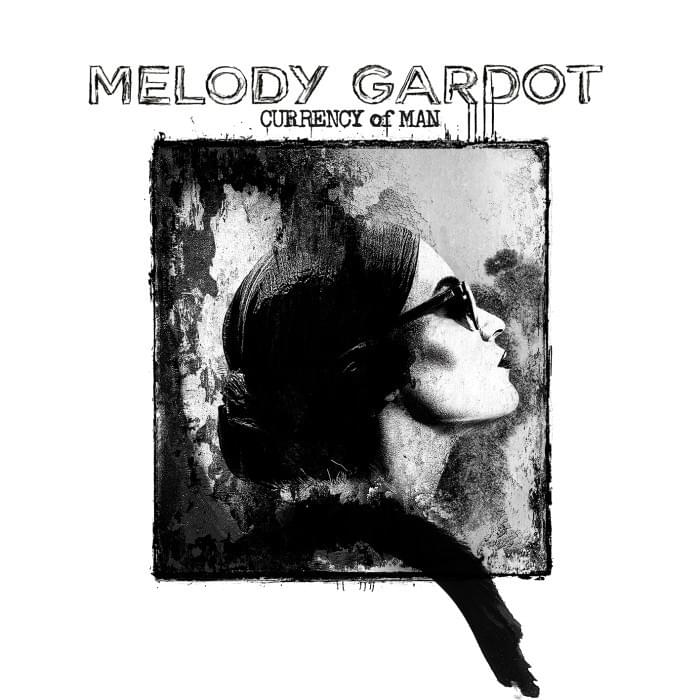
 View Artist