Song Meaning
The narrator is wrestling with a past self they no longer wish to embody, rejecting roles like a mere memory or a plaything. There's a clear desire to transcend former limitations and become something more meaningful to a specific person. The repeated "Nananana" at the start feels like a hesitant, almost childlike preamble before confronting these difficult feelings.
This rejection of the past fuels a desperate plea for genuine connection. The lyrics express a frustration with superficial interactions, like "cartas en papel" or "palabras que hablen sin saber," contrasting them with a deep yearning to occupy a significant space "En tu corazón." The narrator wants to move beyond mere presence to true emotional intimacy, seeking to be "lo que nunca fui" – something they've never been before, but now aspire to be for this person.
The most poignant aspect is the admission of vocal paralysis: "Y canto porque no soy capaz / De hablar contigo de ti." This reveals the core tension – the inability to articulate these profound desires directly to the object of affection. The act of singing becomes a substitute for speech, a way to express what cannot be spoken, highlighting the vulnerability and frustration of unexpressed love. The narrator is trapped between a desire for authentic expression and the fear or inability to achieve it.
Ultimately, the effectiveness of these lyrics lies in their raw portrayal of longing and self-doubt. The contrast between the grand desire to be "lo que nunca fui" and the simple, almost desperate wish to "Sentirte... en mi habitación" grounds the emotion. It’s this very struggle – the gap between aspiration and the courage to communicate it – that makes the narrator's plea so resonant.
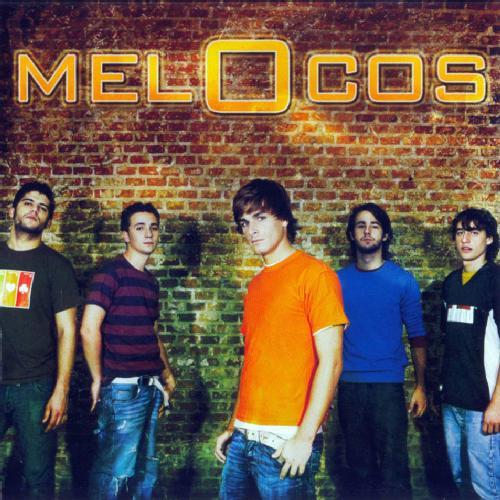
 View Artist