Song Meaning
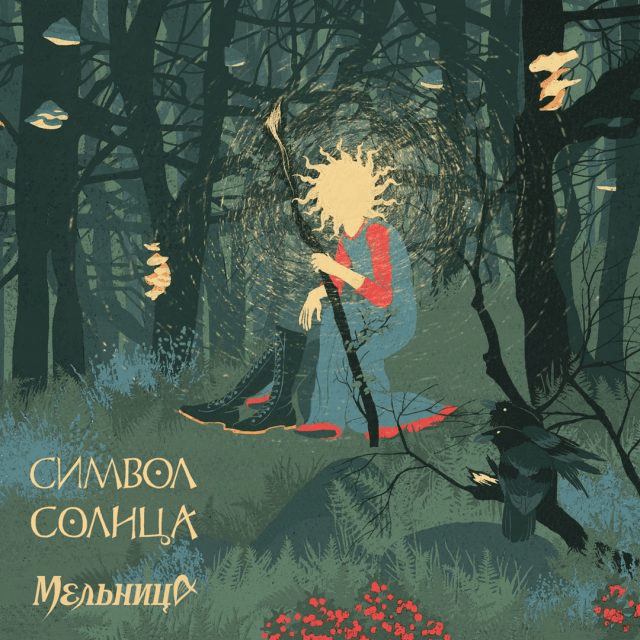
The lyrics paint a stark picture of a solitary figure, Vasilisa, navigating a desolate and possibly dangerous landscape. The opening lines immediately establish a sense of being pursued or observed by opposing forces: "a sparrow and a hawk," "fog and light." This duality suggests an internal or external conflict, a constant state of being caught between vulnerability and threat. The narrator identifies with the roadside weeds and burrs, "under the heel," feeling common and overlooked, yet possessing a deep, instinctual memory of home. This sets up a core tension between a sense of belonging and profound alienation.
The central conflict seems to be one of survival and self-reliance in a world that offers little comfort or recognition. The imagery of the "tired forest" and the plea to the river and wind to "wash me to the leaves" evoke a profound sense of neglect and a yearning for natural cleansing. The recurring motif of "fields burning" and "circles of fire" amplifies the feeling of impending destruction or intense struggle. The narrator's declaration, "Not me, not her," followed by "You are here alone," suggests a fractured identity or a confrontation with a darker, perhaps more primal, aspect of herself, urging escape from this overwhelming danger.
A striking element is the juxtaposition of primal survival instincts with a desire for basic comfort and connection. The chilling line, "Don't cry, little one, I will eat you," is particularly jarring, hinting at a desperate, almost cannibalistic, fight for existence where even the innocent are not spared. This is contrasted with the plea to the "dear stove" to "hide me until spring," a desperate appeal for sanctuary and warmth, revealing a deep vulnerability beneath the hardened exterior. The lyrics suggest a profound sense of self-sufficiency born out of necessity: "What do we care for the forest and field, we will cope with ourselves," yet this self-reliance is tinged with a desperate loneliness, as the narrator admits, "What do we care for our patronymic, we are kin to ourselves."
Ultimately, the effectiveness of these lyrics lies in their raw, unflinching portrayal of a desperate struggle for existence and identity. The fragmented narrative, the stark imagery of fire and decay, and the unsettling shifts in tone create a powerful sense of unease and urgency. The repeated command to "Run, Vasilisa, run!" underscores the immediate peril, while the underlying themes of self-discovery through hardship and the desperate search for a safe haven resonate deeply, leaving the listener with a profound sense of Vasilisa's isolated, perilous journey.
 View Artist