Song Meaning
The lyrics paint a stark picture of hardship and despair, beginning with images of destruction: "Скошенные ветром" (mown by the wind), "выжженные пламенем" (scorched by flame), and "втоптанные в землю" (trampled into the earth). This sets a tone of profound suffering and loss, questioning the past actions and motivations of the speaker and their companions with rhetorical questions like "На кого надеялись?" (Whom did we hope for?) and "От чего бежали мы?" (What did we run from?). The contrast between a "черен день" (black day) and a "ночь так бела" (night so white) suggests a disorienting, almost inverted reality where darkness is associated with the day and light with the night, amplifying the sense of being lost.
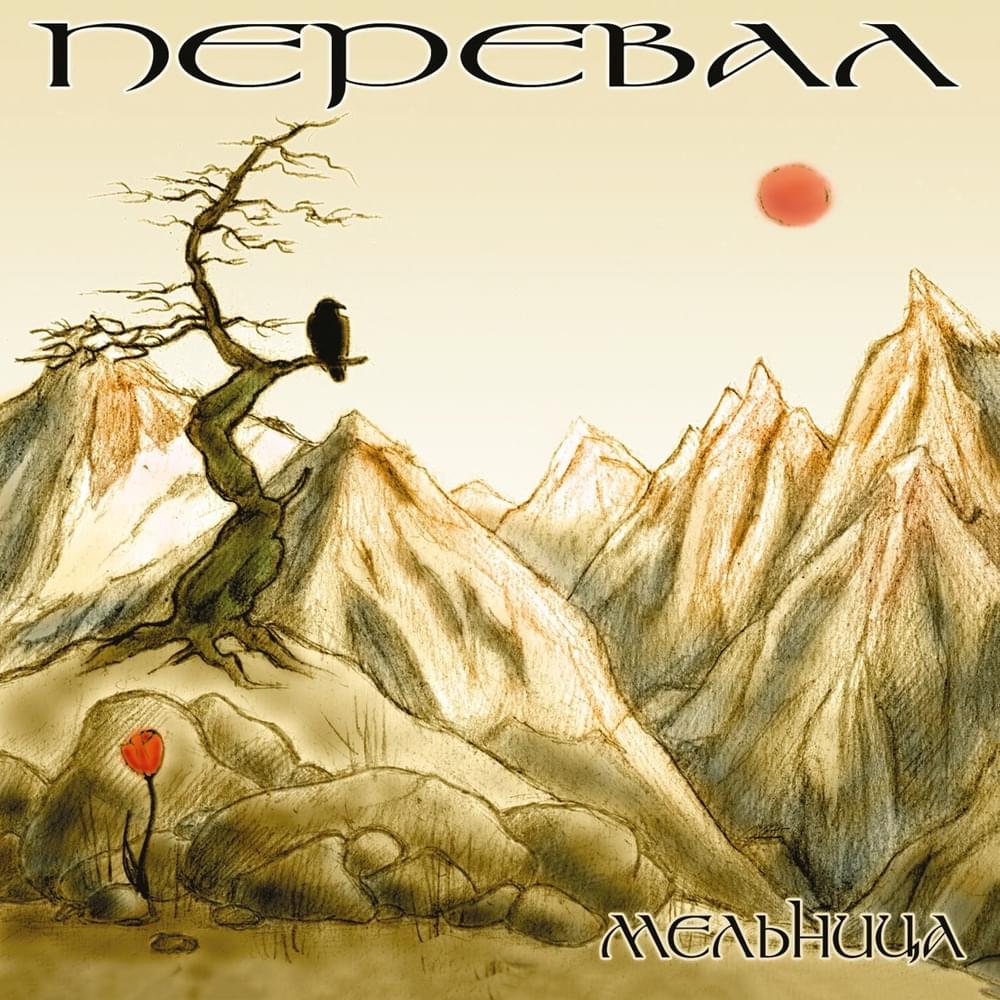
The chorus introduces a core emotional conflict: a "Раненое сердце" (wounded heart) plagued by "Острые стрелы" (sharp arrows) and "Черные кони" (black horses) leading to "Ночи без сна" (sleepless nights). This imagery of relentless torment and sleeplessness creates a palpable sense of anxiety and pain. Yet, amidst this darkness, a glimmer of hope emerges: "Там за холмами / Солнце запело" (There beyond the hills / The sun began to sing). This distant promise of light and warmth culminates in the powerful, conditional resolution: "Сделаешь шаг — / За тобою весна" (Take a step — / Spring is behind you). The implication is that agency, a single step forward, is the key to unlocking renewal and overcoming the current suffering.
The second verse deepens the sense of hiding and lost potential. The narrator and others "Прятались от солнца / Да от огня" (hid from the sun / And from the fire), suggesting a fear of exposure or perhaps a self-imposed exile from warmth and light. They were "Самородки сеяли / Только не ко времени" (sowing nuggets / But not in time), a metaphor for valuable efforts or talents that were misplaced or wasted due to poor timing or circumstance. This leads to "Потерялось золото / В сумраке дня" (gold was lost / In the twilight of the day), reinforcing the theme of lost opportunity and the pervasive gloom that obscures potential riches.
Ultimately, the lyrics' effectiveness lies in their visceral depiction of despair contrasted with a fragile, yet potent, hope. The raw, almost elemental imagery of destruction and torment in the verses and chorus grounds the listener in a state of profound suffering. The shift in the chorus, from internal pain to the external promise of the singing sun and the arrival of spring, offers a powerful psychological arc. The final lines, emphasizing that spring follows even a single step, suggest that overcoming immense hardship is not about grand gestures, but about the courage to move forward, however small the movement may be.
 View Artist