Song Meaning
The lyrics paint a picture of immediate, almost fated attraction, tinged with an unsettling premonition. The narrator admits, "قلبي راح وياك في ثانية" (My heart went with you in a second), yet simultaneously confesses, "كنت مش مطمنالك" (I wasn't reassured about you). This instant connection is immediately shadowed by doubt, suggesting a love that feels both inevitable and potentially dangerous from the outset. The repetition of these lines emphasizes this core paradox: a heart surrendered instantly, yet a mind filled with apprehension.
The central tension lies in the plea for the loved one to leave, despite the narrator's deep feelings. The chorus, "روح روح" (Go, go), is a desperate command, not a dismissal. The narrator implores, "روح أمانة عليك وسيبني" (Go, I entrust you to God, and leave me), revealing a profound internal conflict. This isn't about wanting the person gone; it's about a painful recognition that their presence, or perhaps the intensity of their shared longing, is unbearable. The phrase "شوقك شوقي بس أكتر" (Your longing is my longing, but more) highlights this, suggesting the lover's desire is so potent it becomes a source of suffering.
The most striking aspect of the writing is the raw, almost contradictory emotional honesty. The narrator directly addresses the paradox of their situation, articulating a love that is simultaneously consuming and destructive. The second verse offers a glimpse into the initial spark: "كلمة من عنيك لعيني" (A word from your eyes to my eyes). This intimate, wordless communication led the narrator to believe this person "ده اللي هيغير سنيني" (This is the one who will change my years). This elevates the narrative beyond simple heartbreak to a story of profound, life-altering connection that has become too much to bear.
Ultimately, the effectiveness of these lyrics stems from their unflinching portrayal of a love that is both deeply felt and deeply feared. The narrator doesn't shy away from the pain, instead laying bare the agonizing paradox of wanting someone so much that their absence becomes the only perceived path to peace. The repeated, urgent calls to "روح" are not a rejection, but a desperate, self-sacrificing plea born from an overwhelming, almost unbearable, emotional reality.
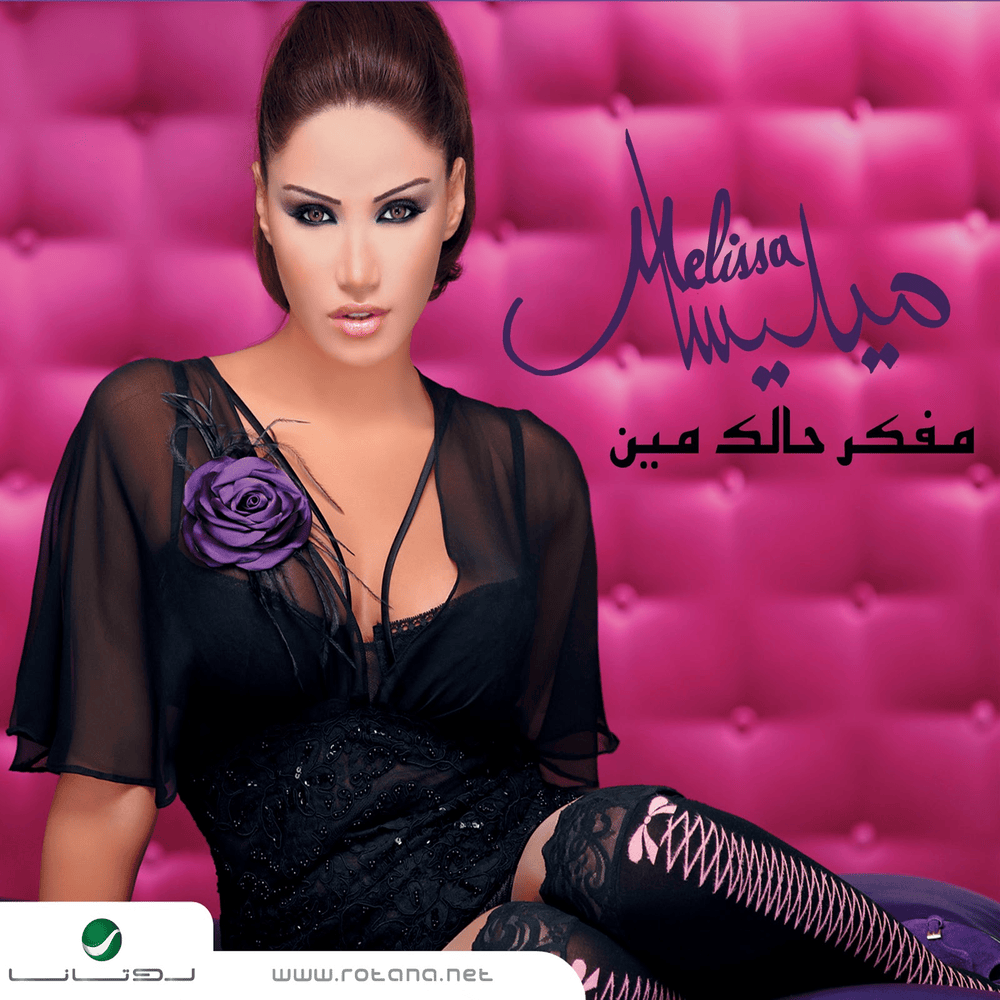
 View Artist