Song Meaning
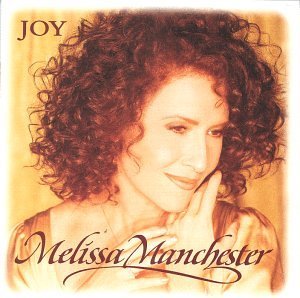
Melissa Manchester's rendition of "Have Yourself A Merry Little Christmas" isn't just a carol; it's a complex emotional negotiation wrapped in a familiar melody. The initial verses, urging listeners to "let your heart be light" and envision troubles fading, operate as a form of psychological projection—a hopeful, almost desperate, attempt to manifest a joyful reality. The song's core lies in its understanding of Christmas not just as a celebration, but as a ritual of comfort and escapism. It acknowledges the inherent human need to find solace amidst hardship, using the nostalgic imagery of "golden days of yore" and faithful friends as anchors to a more comforting past.
However, the song subtly acknowledges the fragility of this constructed joy. The line "If the Fates allow" introduces an element of uncertainty, a quiet admission that even the most cherished traditions are vulnerable to the whims of destiny. This isn't blind optimism; it's a tempered hope, aware of life's inherent challenges but choosing, nonetheless, to embrace the possibility of joy. The act of hanging a "shining star upon the highest bough" becomes a symbolic gesture—a defiant act of hope in the face of potential darkness. It's a proactive choice to create light, rather than passively waiting for it to appear.
Ultimately, Manchester's version of "Have Yourself A Merry Little Christmas" resonates because it doesn't shy away from the bittersweet nature of the season. It's an invitation to find joy not in a world devoid of problems, but within one that acknowledges them. The song's enduring appeal comes from its honest portrayal of the human condition, its yearning for connection, and its quiet insistence on the power of hope, even when the future remains uncertain. It understands that sometimes, the most profound acts of celebration are those that acknowledge the shadows while reaching for the light.
 View Artist