Song Meaning
The narrator plunges into an unexpected, disorienting romance, a "love in a mist." This isn't a slow burn; it's an instant, almost magical, infatuation sparked by a single glance. The phrase "love in a mist" itself suggests something unclear, ethereal, and perhaps ultimately insubstantial, setting a tone of bewilderment from the outset. The narrator admits to being "lost" without understanding how or why, highlighting the sudden and overwhelming nature of this emotional state.
The core tension arises from the transition from enchantment to disillusionment. Initially, the narrator feels "bewitched" and takes the experience "all for granted," caught in a "moonstruck moment." However, this blissful state shatters, leaving them "suddenly disenchanted" and "standing alone." The mist that once enveloped them in love now seems to represent a confusing, isolating fog where their pleas go unanswered.
The repeated imagery of the mist functions as a powerful metaphor for the narrator's emotional confusion and the elusive nature of the relationship. It's a state where clarity is impossible, and true connection seems to vanish. The contrast between the initial enchantment and the final state of being "chill as the rain" and calling "in vain" underscores the painful realization that this love was perhaps never truly tangible or reciprocal. The line "My own true love is deaf to me" crystallizes the feeling of profound isolation within this supposed romance.
This lyrical construction effectively captures the disorienting whiplash of falling hard and fast for someone, only to find the reality far colder and more isolating than the initial fantasy. The specific, almost naive, admission of being "lost" and the stark shift to being "disenchanted" make the emotional arc feel raw and immediate. The persistent return to "love in a mist" at the end, now tinged with despair, suggests that the narrator is left with only the lingering, confusing memory of what they thought was love.
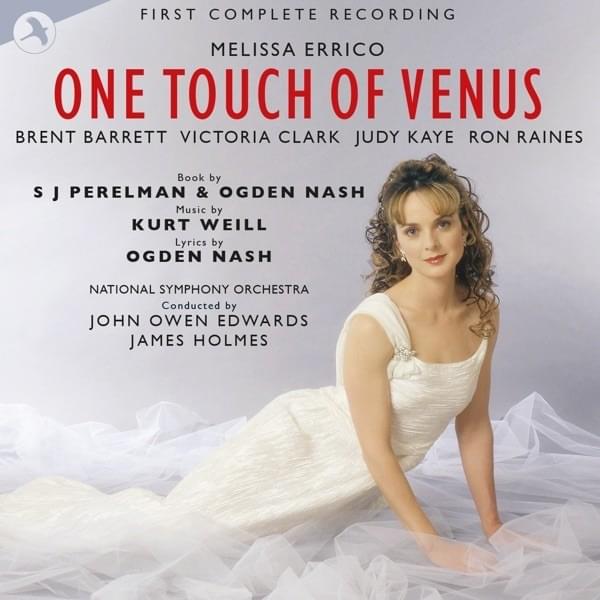
 View Artist