Song Meaning
Melanie's "Cyclone" isn't just a song; it's a raw, visceral depiction of being caught in an emotional tempest. The cyclical nature of the lyrics, constantly returning to the plea to "Hold tight cyclone," mirrors the feeling of being trapped in a repetitive, almost addictive, pattern of behavior, likely within a tumultuous relationship. The song meaning revolves around the push-and-pull dynamic of love and pain, where the comfort of familiarity clashes with the inherent destruction of the 'cyclone' itself. The lines "love you to hurt but pain makes me let you go" encapsulate this central conflict, suggesting a relationship built on intensity, where the highs are exhilarating, but the lows are unsustainable. This push-pull is further amplified by the almost desperate hope of transcendence, the desire to "leap off the edge / To see if you fall or fly," reflecting a yearning for escape or transformation within the chaos.
"Found love in the music but lost in the overtones" speaks volumes about the deceptive allure of passion. The initial connection, the 'music,' is genuine and captivating, but the 'overtones' – the hidden complexities, unspoken resentments, and underlying imbalances – ultimately lead to disillusionment. The imagery of "sweat on the brow, blood on the lips, love for the money / And gold at the fingertips" suggests a blurring of the lines between genuine affection and materialistic desires, perhaps hinting at a relationship where ambition and surface-level attraction overshadow deeper emotional needs. This can easily apply to the music industry, or any fast-paced, fame-oriented environment. There's a sense of grasping for something tangible ("gold at the fingertips") while the core connection is eroding.
The latter part of the song, with the lines "I wait for the day to burn into night / And then I wait for dawn / And I open my eyes when it gets bright / And know I must be home," offers a glimmer of hope and self-awareness. This cyclical waiting, mirroring the 'cyclone' itself, represents the speaker's journey towards finding stability and a sense of belonging, a recognition that even amidst the storm, there's an inherent need to find one's center. "Home" in this context is less about a physical location and more about an internal state of peace, a place of self-acceptance found after weathering the storm. The repetition of "I know I must be home" serves as a mantra, a reaffirmation of this newfound resolve.
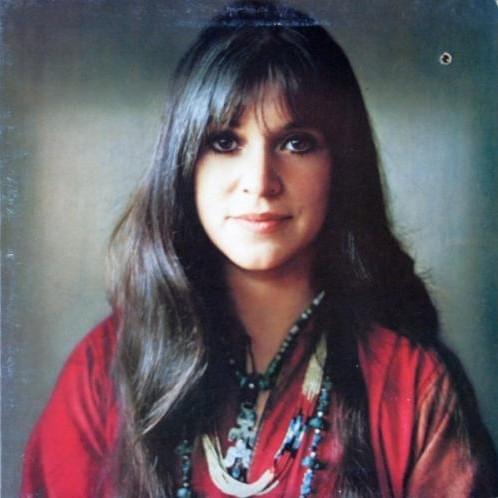
 View Artist