Song Meaning
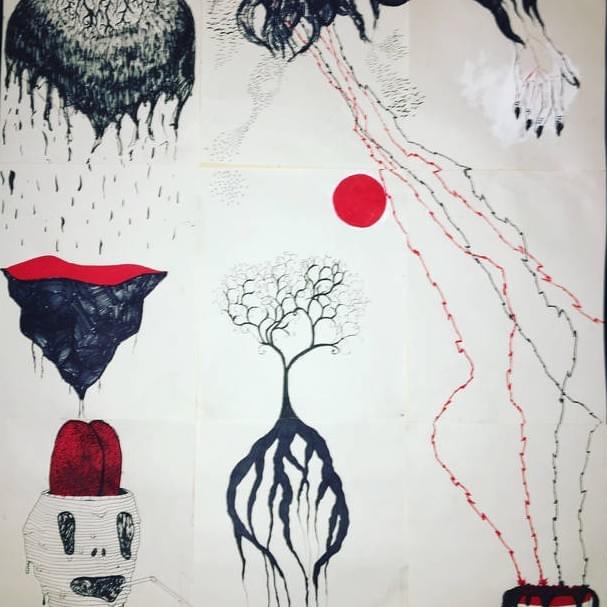
The lyrics paint a picture of simmering resentment and a delayed reckoning. The opening lines immediately establish a confrontational tone, promising a shift in power and a lingering discomfort. Phrases like "pig skinned pricks" and "big fat headache" suggest a deep-seated annoyance with a specific person or group, hinting that the narrator's patience is wearing thin. The imagery of "dry red leaves gonna stain the ground" evokes a sense of decay and impending consequence, a natural cycle mirroring the emotional fallout to come.
The central tension lies in the narrator's passive-aggressive approach to conflict. They admit to keeping someone "numb" to maintain their presence, suggesting a manipulative dynamic where emotional suppression is a tool for control. This is juxtaposed with the idea that a "stark long pause gonna clear the air," implying that silence and inaction are also deliberate strategies. The narrator seems to be observing a "sick sad bicker" from a detached perspective, feeling trapped in a "pity parade" where their true message is ignored, despite their attempts to communicate it through indirect means.
The most striking element is the shift in perspective in the third stanza. The narrator moves from observing external conflict to a voyeuristic, almost detached observation of a "her." This figure undergoes a dramatic transformation, "crumble[ing] and fall[ing]" before "claw[ing] his eyes out." This violent imagery of "coming of age" suggests a painful, perhaps destructive, emergence of agency. The narrator's passive observation from the "ceiling like a fly on a wall" highlights their own detachment, even as they witness intense emotional upheaval.
Ultimately, the effectiveness of these lyrics stems from their raw, unflinching portrayal of suppressed anger and the unsettling intimacy of observation. The contrast between the narrator's internal turmoil and their external passivity creates a palpable sense of unease. The final, stark declaration, "Things are not the same," serves as a quiet but potent acknowledgment of the irreversible damage and change that has occurred, leaving the listener with a lingering sense of unresolved tension.
 View Artist