Song Meaning
Mel Tillis's "Unmitigated Gall" is a masterclass in country music scorn, a furious kiss-off delivered with the kind of righteous indignation only a wronged lover can muster. The song's power lies not in subtle metaphors or complex narratives, but in the sheer, unadulterated audacity of the ex-lover's return. The repeated question, "How can you have the unmitigated gall?" isn't merely rhetorical; it's a genuine expression of disbelief that someone could so brazenly expect forgiveness after causing such profound hurt. It's a slap in the face rendered in song. The lyrics drip with contempt, painting a vivid picture of a woman who abandoned their shared life for a "fast talkin' slob," only to crawl back when things inevitably soured. The intensity is palpable, fueled by the singer's raw emotion and refusal to be manipulated.
Beyond the immediate heartbreak, "Unmitigated Gall" touches on themes of self-respect and resilience. The singer's refusal to "fall right down on my knees" signifies a newfound strength, a refusal to be a doormat. The repetition of "let me live, live, live" is not just a plea for space, but a declaration of independence, a reclaiming of his own life after being emotionally devastated. The song implicitly challenges the listener to consider the psychological weight of betrayal and the difficult journey toward healing and self-preservation. It's a reminder that forgiveness is not always the answer, and that sometimes, the most empowering act is to slam the door shut on toxic relationships.
Ultimately, the song meaning of "Unmitigated Gall" resides in its unflinching portrayal of anger and self-assertion. While some might interpret the lyrics as harsh, they resonate with anyone who has experienced the sting of betrayal and the struggle to move on. Mel Tillis delivers this message with a potent blend of vulnerability and defiance, making it a timeless anthem for those who have chosen to prioritize their own well-being over the fleeting allure of a broken love. The song's enduring appeal lies in its honest and relatable depiction of the emotional turmoil that follows a painful breakup, and the empowering decision to finally say, "enough is enough."
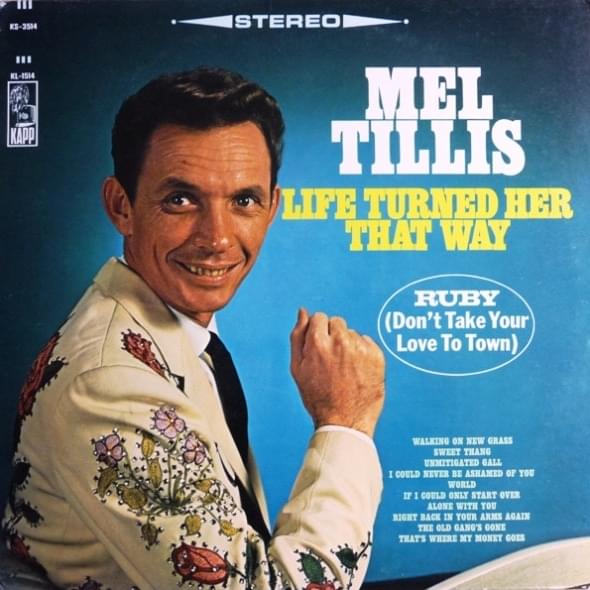
 View Artist