Song Meaning
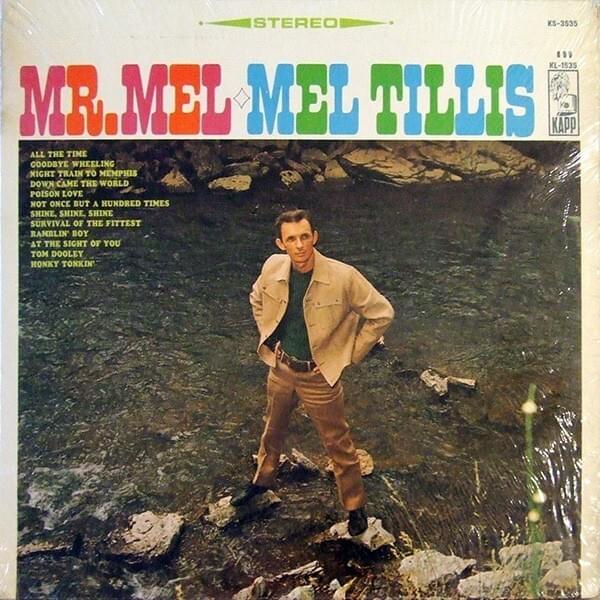
Mel Tillis's "Poison Love" is a masterclass in country music masochism, a raw exploration of destructive devotion. It's a familiar theme – love as addiction – but Tillis wrings every last drop of pathos from the trope. The song meaning resides in the agonizing push-and-pull between rational self-preservation and the irresistible allure of a toxic relationship. The lyrics paint a vivid picture of emotional contamination: "All your poison love has stained the life blood in my heart and soul dear." It's not just heartbreak; it's a systemic poisoning, a corruption that permeates the narrator's very being. This isn't a clean break; it's a slow, agonizing decay.
The genius of "Poison Love" lies in its unflinching honesty about the narrator's complicity. He acknowledges the futility of his pleas and prayers, recognizes the "shame" of the situation, and even admits that "our love was never meant to be." Yet, despite this clear-eyed assessment, he remains trapped, his "heart cries out" for the very person who is destroying him. This internal conflict, this war between logic and desire, is what makes the song so compelling and relatable. It speaks to the universal human tendency to cling to what hurts us, to find a twisted comfort in the familiar pain.
Ultimately, "Poison Love" isn't just a lament; it's an indictment of the narrator's own self-destructive tendencies. The final lines, "my better judgement tells me to say no," are delivered with a weary resignation, suggesting that he is fully aware of the path to salvation but lacks the will to take it. The song analysis reveals a portrait of a man paralyzed by his own desires, a prisoner of his own making. The poison isn't just in the love; it's in his inability to resist it.
 View Artist