Song Meaning
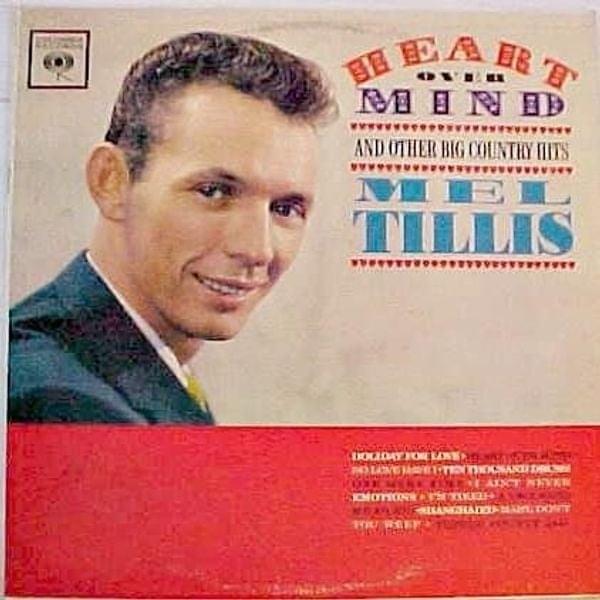
Mel Tillis's "No Love Have I" is a stark portrait of loneliness, painted with the simple strokes of classic country heartbreak. It's not just sadness; it's the gnawing awareness of being utterly alone in a world saturated with connection. The opening lines, with their gentle imagery of nature's affections—"Honey bee loves the honey, chickadee loves the sky"—immediately highlight the singer's stark contrast. He’s an outlier, an island in a sea of couples. This isn't a tale of lost love, but rather the more desolate reality of never having found it in the first place. The repetition of "no love have I" hammers home the emptiness. There's a subtle but potent difference between lamenting a lost romance and yearning for a love that has always been absent. The lyrics analysis reveals a vulnerability that cuts deep.
That vulnerability intensifies with the image of standing on the corner, watching lovers pass by. It's a passive observation, a silent ache. Tillis isn't just singing about being alone; he's highlighting the public, almost performative, nature of love for others. It's a constant reminder of what he lacks. The mention of nightly prayers aiming for a “lost love” to come his way is particularly telling. It suggests a hope that’s perhaps misplaced—a longing for something that was never there to begin with, framed as a reclamation rather than a discovery. This hints at a deeper psychological need, a desire to fill a void that feels inherent.
The "ivory tower" isn't just a romanticized escape; it's a symbol of isolation. The singer imagines a world where he and a partner can retreat from the very society that highlights his loneliness. Even the beauty of the city under moonlight is rendered meaningless. "What good is that moonlight if no love have I?" he asks, driving home the point that external beauty is powerless against internal emptiness. Mel Tillis masterfully uses simple lyrics to convey a profound sense of isolation, making "No Love Have I" a poignant meditation on the human need for connection. The song meaning resonates because it taps into a universal fear: the fear of being fundamentally alone, even in a world teeming with love.
 View Artist