Song Meaning
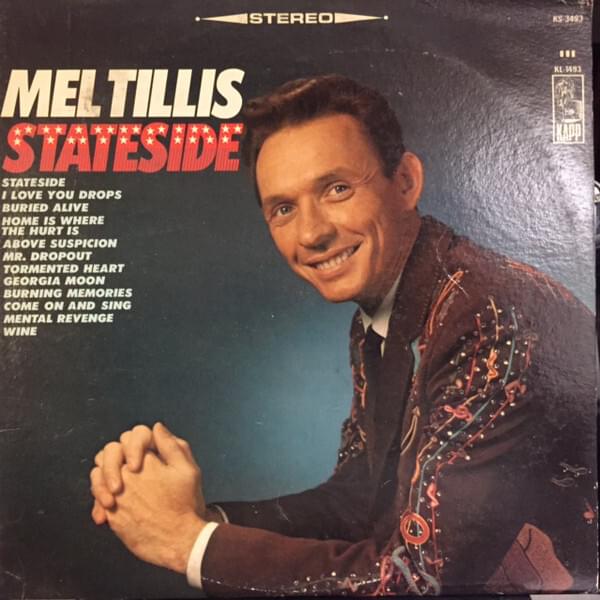
Mel Tillis's "Mr. Dropout" isn't just a country lament; it's a stark portrait of regret and the crushing weight of societal judgment. The song slices right to the bone of economic anxiety, laying bare the consequences of a youthful decision to leave school. The narrator's initial belief that life was "all fun" quickly curdles into a harsh reality of dead-end jobs and mounting responsibilities. Tillis doesn't shy away from the bleakness; instead, he amplifies it through the repetitive, almost taunting chorus. It's not just about lacking skills; it's about the shame and stigma attached to being labeled a "dropout" in a world that increasingly demands credentials. The phrase 'one step away from being a bum' encapsulates the narrator’s dread, hinting at the precarity of his existence.
What elevates "Mr. Dropout" beyond a simple cautionary tale is its exploration of pride and dignity. The narrator isn't just struggling to make ends meet; he's wrestling with the humiliation of being unable to provide for his family. The line, "it hurts my pride to hear all say," speaks volumes about the psychological toll of failure in a society that often equates worth with earning potential. The added weight of a young family, "Mary had a baby that got blue eyes/When baby gets hungry baby cries," emphasizes the desperation of his situation. It’s a cycle of poverty and societal scorn, trapping him in a loop of rejection.
Ultimately, "Mr. Dropout" functions as a pointed critique of a system that can be unforgiving to those who fall outside its prescribed paths. It's a reminder that individual choices exist within a larger socio-economic context, and that the consequences of those choices can be far-reaching and devastating. The song's power lies in its unflinching honesty and its ability to evoke empathy for a character who is, in many ways, a victim of circumstance. It's a timeless exploration of the American Dream gone sour, and the human cost of being left behind.
 View Artist