Song Meaning
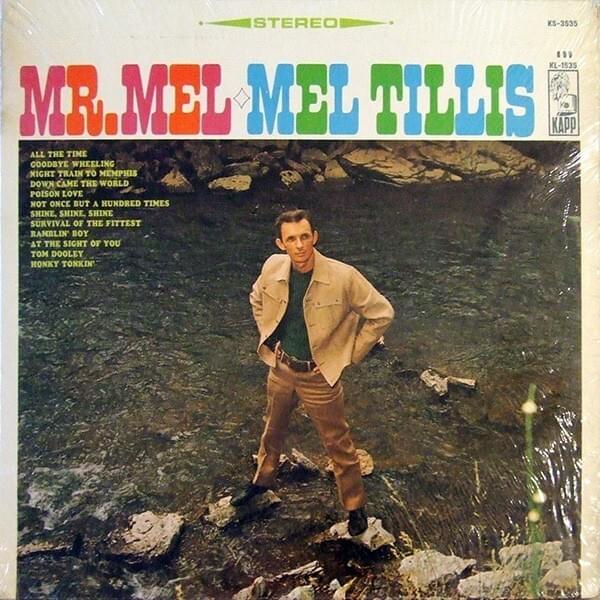
Mel Tillis's "Honky Tonkin'" isn't a complex philosophical treatise; it's a primal scream of weekend liberation. It's the sound of neon beer signs buzzing against the humid night, the scent of stale smoke clinging to cheap denim, and the promise of fleeting connection in a world that often feels isolating. The song meaning resides not in profound introspection, but in the raw, unadulterated pursuit of pleasure, however temporary. It's a survival mechanism disguised as a Saturday night. The insistent repetition of "honky tonkin'" becomes a mantra, a self-hypnotic suggestion to forget your troubles and embrace the chaos.
Beneath the surface of good-time promises lies a subtle undercurrent of desperation. The invitation to "sad and lonely" souls hints at a deeper societal malaise. The offer to be a rebound for women feuding with their "sweet daddy" reveals a transactional element to the connection. This isn't about true love; it's about finding solace in shared escapism. The honky-tonk becomes a temporary refuge, a space where emotional baggage can be checked at the door, at least for the duration of a song and a couple of beers.
Ultimately, “Honky Tonkin’” is a celebration of resilience. It acknowledges the pain and loneliness of everyday life, but refuses to succumb to it. Instead, it offers a simple, albeit temporary, solution: to drown your sorrows in music, camaraderie, and maybe a little bit of bad behavior. The repeated line, "We'll go honky tonkin' round this town" is less a statement of intent and more a defiant act of self-preservation, a way to carve out a small space of joy in a world that often feels indifferent to your suffering.
 View Artist