Song Meaning
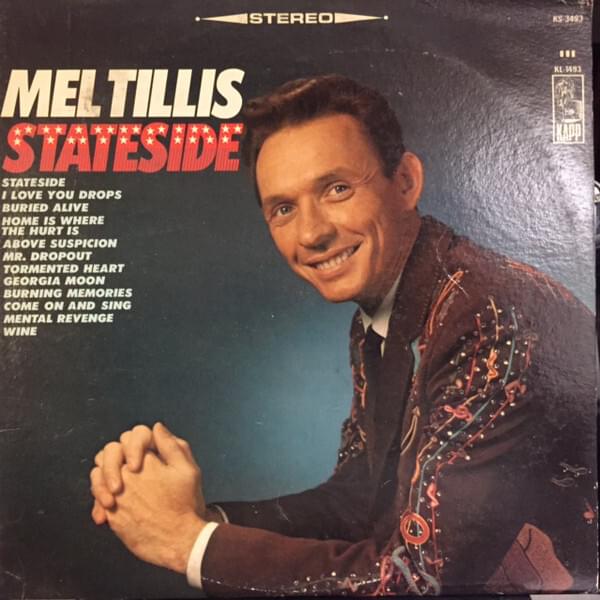
Mel Tillis's "Come On And Sing" isn't just a folksy invitation to belt out a tune; it's a pointed social commentary disguised as a singalong. Released during a period of intense social and political upheaval, the song cleverly uses the act of singing as an antidote to the pervasive negativity Tillis observed in the world around him. The seemingly simple chorus, "Come on and sing girl sing boy a happy song / Come on and sing girl sing boy this old world may not last long," carries a weight of urgency, suggesting that joy and unity are essential in the face of an uncertain future. It's a call to action, urging listeners to actively choose harmony over discord.
The verses delve deeper into the societal ills Tillis seeks to remedy. He laments the excessive "fighting" and insufficient "singing," presenting a stark contrast between conflict and camaraderie. The rhetorical question, "How many people have you ever seen fight while they were singing a song," underscores the inherent humanizing power of music. The song implies that shared artistic expression can dissolve animosity and foster understanding. It subtly challenges the listener to consider the unifying potential of collective joy.
Furthermore, Tillis addresses interpersonal strife, noting that "everybody's mistreating one another." He proposes that singing can transform "sisters and brothers," promoting harmony and empathy. The final verse critiques excessive talking that leads to anger, advocating for the simple act of being happy through song. In essence, "Come On And Sing" is a musical prescription for a world grappling with division, advocating for the harmonizing power of collective song to counteract the forces of conflict and unhappiness. The song's meaning resides in its gentle yet firm belief in the transformative potential of shared artistic expression.
 View Artist