Song Meaning
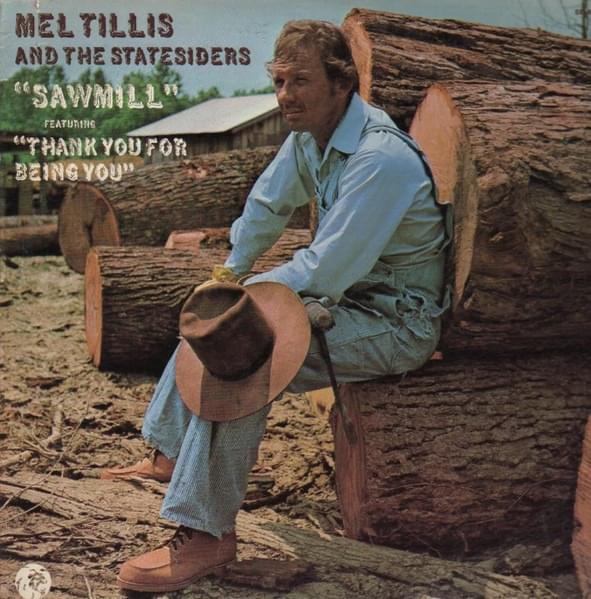
Mel Tillis's "Sawmill" isn't just a country lament; it's a raw, almost primal scream from the depths of economic despair and marital breakdown. The repeated phrase "poor boy" isn't just self-pity; it's an indictment of a system that grinds people down, leaving them spiritually and financially bankrupt. The sawmill, in this context, becomes a symbol of relentless, soul-crushing labor, a place where dreams are splintered and hope is reduced to sawdust. The song's cyclical structure, constantly returning to the image of the "poor boy" begging for a dollar, reinforces the feeling of being trapped in an inescapable loop of poverty. This isn't about laziness or lack of ambition; it's about the crushing weight of circumstance. The lyrics analysis reveals a man stripped bare, reduced to his most basic needs. He's not asking for luxury; he's pleading for survival. The rawness in the singer's voice as he delivers lines like "I can't work no more at the sawmill" suggests a deep-seated exhaustion that goes beyond physical fatigue.
The departure of the singer's wife, ostensibly over "gravy \[that] was too thin," is a brutal metaphor for the breaking point in their relationship. It's not really about the gravy, of course. It's about the cumulative effect of poverty eroding love and hope. Her desire for a "dollar bill" underscores the economic pressures that strain relationships, particularly when basic needs aren't met. The repeated assertion that "women like a dollar" isn't necessarily misogynistic; it’s a weary observation about the realities of survival in a capitalist society. It highlights the man's failure to provide, both in his eyes and in the eyes of his partner. The sawmill, therefore, represents not only physical labor but also the emotional labor of trying to maintain a relationship under impossible circumstances.
Ultimately, the song meaning of "Sawmill" transcends its simple country framework. It's a stark portrait of the psychological toll of poverty, the disintegration of relationships under economic stress, and the desperate yearning for a glimmer of hope. Tillis's delivery, tinged with a mixture of resignation and defiance, makes the song all the more poignant. It's a reminder that behind the statistics and economic reports, there are real people struggling to make ends meet, their lives and relationships hanging by a thread. The song is a mirror reflecting the harsh realities faced by many, and a stark reminder of the human cost of economic hardship.
 View Artist