Song Meaning
The lyrics paint a fragmented, almost dreamlike picture, juxtaposing ancient myth with mundane modern life. We're dropped into a journey, first through historical Sicily with a nod to Heracles and sacrifice, then abruptly shifting to the "Lower East Side" where a figure named Bobby finds his bride in a bizarre, unsettling state. This jarring transition from epic to everyday, from mythic figures to personal, almost domestic scenes, sets a tone of dislocated reality.
The central tension seems to lie in the collision of grand narratives and personal experience, or perhaps the lingering echo of myth in contemporary settings. The appearance of "Heracles" – first crying at a "scene of the crime," then smiling at dawn – feels less like a literal Greek hero and more like a recurring motif or a symbolic presence. This figure’s emotional arc mirrors a shift from distress to a kind of quiet resolution, but its connection to the preceding events remains ambiguous, suggesting a deeper, unspoken narrative.
The most striking craft element is the deliberate, almost surreal juxtaposition of imagery. The ancient "sacrifice" in Syracuse is placed alongside a bride "sleeping in her evening gown / On the men's room floor." Later, a personal observation of a magpie on a "cold wet day" precedes a seemingly significant, yet understated, encounter: "I saw you cross the road this morning / To get to the other side." The narrator’s attempt to connect, "I waved but no one saw me," highlights a sense of isolation or unacknowledged presence, before a cryptic promise: "It's okay, we'll meet on Tuesday."
This lyrical tapestry works by creating a sense of mystery and emotional resonance through unexpected connections. The lyrics don't offer easy answers; instead, they invite the listener to piece together the fragmented scenes and emotional shifts. The power lies in the evocative, often strange, imagery and the implied stories that lie just beneath the surface, making the mundane feel mythic and the mythic feel strangely personal.
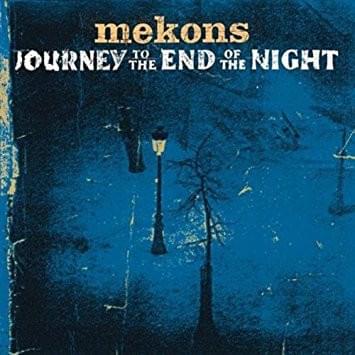
 View Artist